
Best thrifting tips for beginners start with one simple idea: you are not “shopping,” you are editing, and that mindset saves you time, money, and a lot of disappointment. Thrift stores can feel chaotic, sizes look inconsistent, and it’s easy to leave with a cart full of “maybe” items you never wear.
If you’re new, the goal isn’t to score a rare vintage jacket on day one, it’s to build repeatable habits, so you can reliably find pieces that fit your life and your budget. Done well, thrifting can stretch a clothing budget, help you try new styles with lower risk, and reduce waste without turning every trip into a scavenger hunt.
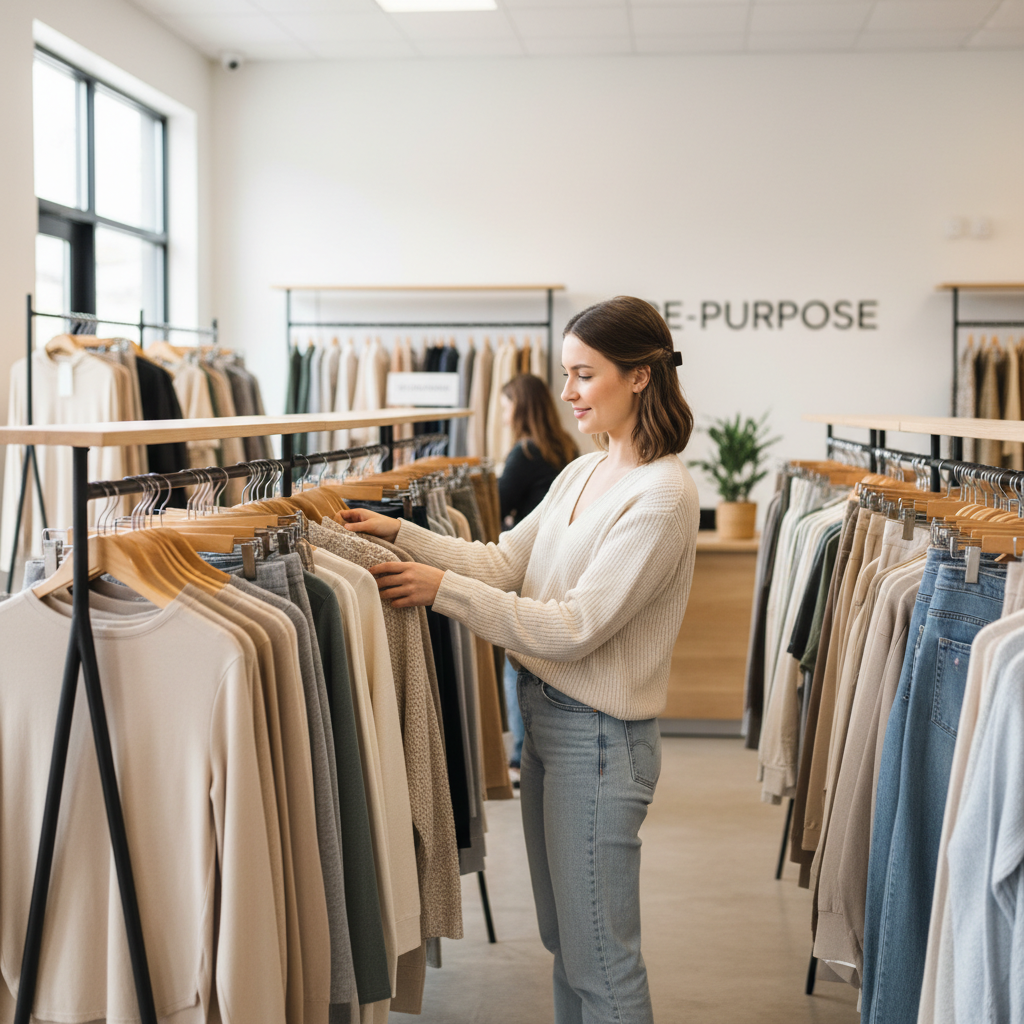
Below is a beginner-friendly plan: what to do before you go, how to scan racks faster, how to judge quality without being a fashion expert, and how to avoid the traps that make thrifting feel like work.
Set your “thrift mission” before you walk in
The fastest way to burn out is going in with no plan and trying to decide everything in the aisle. A small mission gives you a finish line, and it keeps impulse buys from taking over.
- Pick 1–2 categories: jeans and sweaters, work shirts and belts, kids’ jackets, etc.
- Choose a color range that matches your closet, especially if you want outfits, not one-off finds.
- Set a “yes” standard: “I’ll only buy if it fits today and I can name 3 outfits.”
- Know your real budget, including any tailoring or dry cleaning you might do later.
Many beginners think thrifting means buying more because it’s cheaper. Realistically, it works best when you buy fewer pieces with higher wear potential.
Timing and store choice matter more than people admit
Thrifting is partly skill, partly timing, and partly store fit. If you keep striking out, it may not be you, it may be the location, the pricing, or how that store restocks.
- Ask about restock days: many stores have fresh carts at certain times, staff will often tell you.
- Weekday mornings are usually calmer, with better time to try on and inspect.
- Know the store “personality”: some are great for denim, some for housewares, some for brands.
- Check discount tags or color-of-the-day deals, but don’t let discounts override quality.
According to Goodwill Industries International, Goodwill’s mission includes job training and employment services, and your purchases help support that work in many communities. That’s not a “deal tip,” but it’s useful context if you’re choosing between thrift options.
Use a simple rack-scanning system (so you don’t miss the good stuff)
Beginners often browse slowly, touching every item, and then feel exhausted. A basic system helps you move fast without being sloppy.
Two-pass scan
- Pass 1: silhouette and fabric — skim for shapes you actually wear and materials that look promising.
- Pass 2: details check — pull only the best candidates to inspect tags, seams, and condition.
What to grab quickly (even before you overthink)
- 100% cotton tees in solid colors
- Wool sweaters (if not heavily pilled)
- Leather belts and simple bags (inspect closely)
- Denim from reliable brands you already know fit you
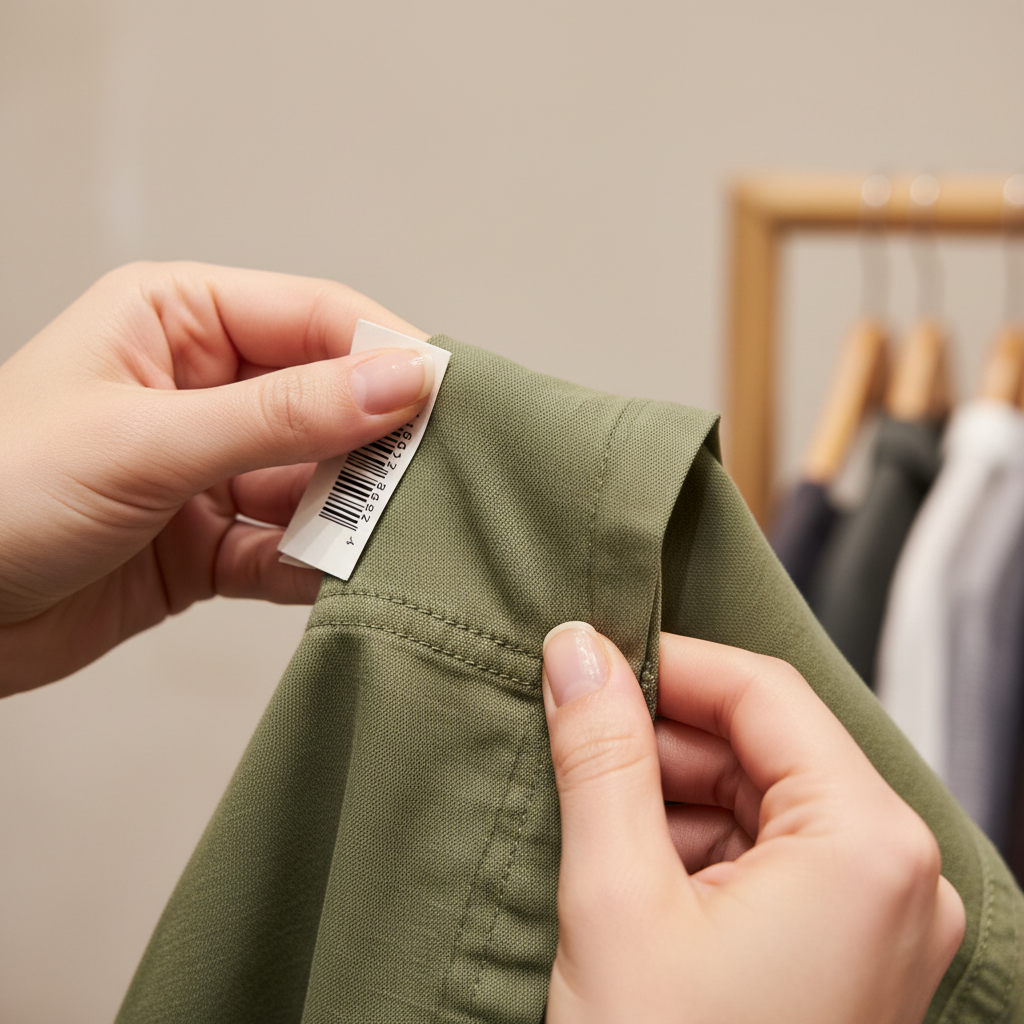
One of the best thrifting tips for beginners is accepting that you can’t see everything. Your system is your “filter,” and it improves each trip.
How to spot quality fast (even if you don’t know brands)
Brands help, but construction tells the truth. You want pieces that survive washes, wear, and time in your closet.
- Seams: look for even stitching, no loose threads, no rippling along side seams.
- Fabric feel: thicker cotton, structured denim, and substantial knits often last longer.
- Buttons and zippers: tug gently, check missing buttons, test zippers end to end.
- Lining: lined skirts, coats, and blazers often drape better and wear longer.
- Stretch recovery: for leggings or stretchy jeans, pull lightly and see if it snaps back.
Quick reality check: if something looks “almost perfect” but needs major repairs, it’s usually not a beginner win unless you already sew or plan to pay for alterations.
Fit: measure like an adult, not like a hopeful person
Thrift sizing is inconsistent because brands vary and items shrink or stretch over time. If you rely on the size tag, you’ll waste fitting-room time.
Bring a mini fit toolkit
- Soft measuring tape (or save your key measurements on your phone)
- Thin tank top and leggings if you expect limited fitting rooms
- Socks if you’re thrifting shoes
Measurements that matter most
| Item | Measure | Why it saves you |
|---|---|---|
| Jeans/pants | Waist, rise, inseam | Avoid “close enough” waist gaps and weird proportions |
| Shirts | Shoulder width, chest | Shoulders rarely tailor well on a budget |
| Blazers/coats | Shoulders, sleeve length | Good shoulders make even cheap tailoring look better |
| Dresses | Bust, waist, length | Helps you predict comfort and movement |
One of the best thrifting tips for beginners is prioritizing fit over “potential.” If it pinches, twists, or rides up in the fitting room, that feeling rarely improves at home.
Condition checks: the five-minute inspection that prevents regret
Some flaws are fine, some are dealbreakers. Your job is knowing which is which before you pay.
- Stains: check underarms, collars, cuffs, and the front center of tops.
- Holes and thinning: hold fabric up to light, especially sweaters and tees.
- Odors: persistent smoke or mildew can be tough to remove, even with repeated washing.
- Pilling: small pills can be shaved, heavy pilling often means the knit is tired.
- Shoes: inspect soles, heel wear, and inner lining breakdown.
For health and safety, washing thrifted clothing before wearing is a common recommendation. If you have sensitivities or skin conditions, it may be wise to use a gentle detergent and consider consulting a medical professional for product guidance.
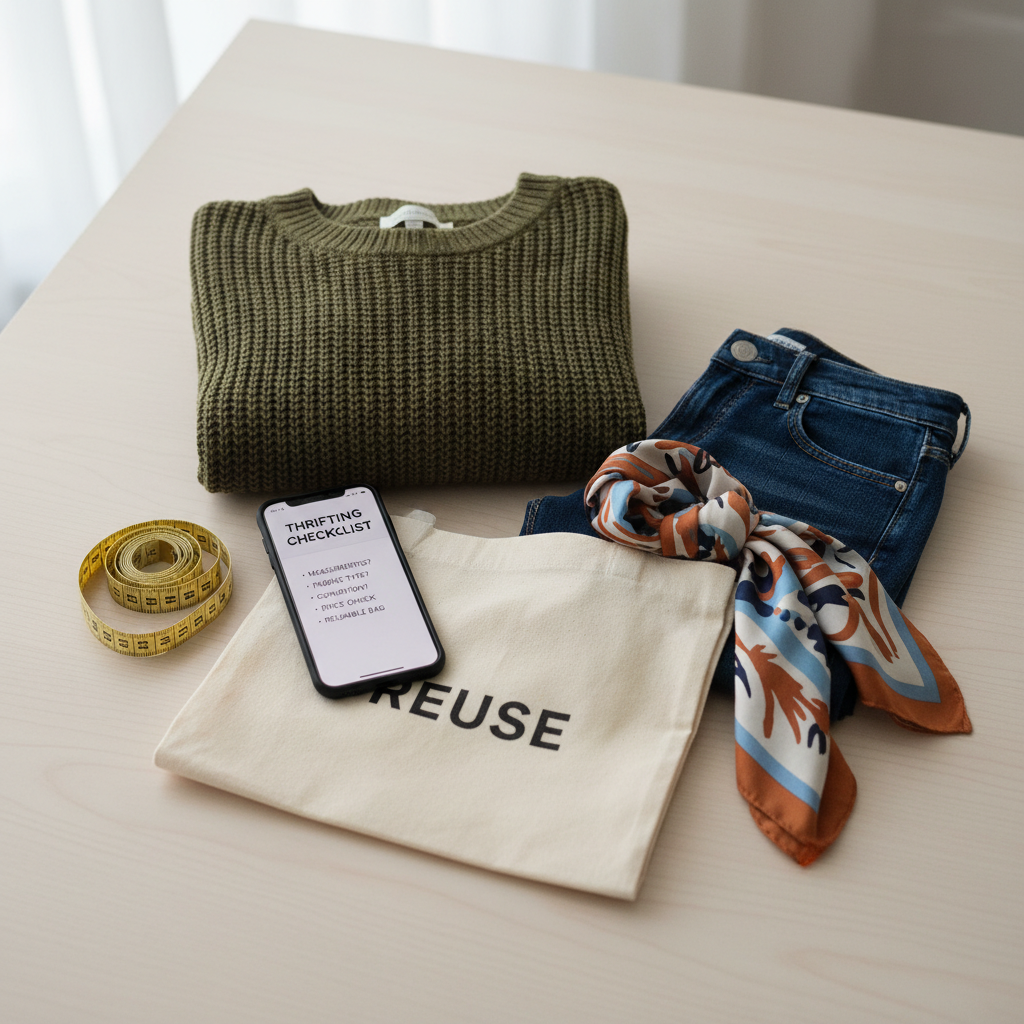
Key point: If you can’t name the fix, estimate the cost, and still feel excited, leave it behind. Beginners win by avoiding “project” items.
Budgeting and value: when “cheap” isn’t actually a deal
Pricing can be all over the place, especially in curated thrift or resale shops. Value is what you’ll wear, not what you save compared to a retail fantasy price.
A practical value formula
- Cost per wear estimate: “Will I wear this 20+ times?”
- Hidden costs: tailoring, repairs, cleaning, missing parts.
- Duplication: if you own something similar and never reach for it, don’t buy a second version.
Smart “starter buys” that tend to pay off
- Everyday denim in a cut you already love
- Solid sweaters, especially wool blends
- Structured bags if the hardware and lining look strong
- Kitchenware and small home items if you can check for chips and cracks
Many best thrifting tips for beginners boil down to this: spend slightly more on pieces you’ll repeat weekly, spend less on trend experiments.
Beginner-friendly thrifting workflow (a repeatable trip plan)
If you want thrifting to feel easy, run the same routine each visit. You’ll get faster, and your closet will look more intentional.
- Before you go: list 5 gaps in your wardrobe, pick 1–2 to hunt.
- In store: do a two-pass scan, pull only top candidates.
- Try-on: check movement, comfort, and how it looks from the side and back.
- Final edit: ask “Would I buy this at full price if it fit perfectly?” If not, skip.
- At home: wash, remove tags, and hang it with outfits so it doesn’t become “thrift limbo.”
Actionable takeaway: Put a 24-hour rule on anything you feel unsure about. Many stores allow returns or exchanges, but policies vary, so check the receipt and ask at checkout.
Common mistakes that make beginners hate thrifting
You can learn faster by avoiding the predictable traps.
- Buying for a fantasy life: “vacation me” outfits often sit unworn.
- Ignoring fabric care: dry-clean-only can be fine, but plan for the cost and effort.
- Overvaluing brand names: a famous label won’t fix poor condition or bad fit.
- Not checking return rules: some shops are final sale, even if the item looks fine under store lighting.
- Skipping the mirror test: if you avoid mirrors now, you’ll avoid the item later.
According to the Federal Trade Commission (FTC), resale and online secondhand shopping still benefits from basic consumer awareness like understanding return policies and keeping receipts when needed. It’s not thrift-specific advice, but it matches what trips people up.
Conclusion: a calmer way to get good at thrift shopping
The best thrifting tips for beginners aren’t secret hacks, they’re boundaries: a clear mission, fast scanning, honest fit checks, and a willingness to leave empty-handed when nothing earns a “yes.” That’s how you build a closet you trust, not just a pile of bargains.
If you want one move to make this real, pick a single category this week, bring a measuring tape, and practice the two-pass scan for 30 minutes. Your “eye” will sharpen faster than you think, and you’ll stop feeling like thrifting is random luck.
Key takeaways
- Go in with a mission, not a vague hope for “good finds.”
- Fit beats brand, especially for beginners.
- Inspect condition like you’re the quality control department.
- Value equals wear, not how low the price tag looks.
If you’re building a beginner capsule wardrobe and want a simpler plan, consider creating a short “approved list” of cuts, colors, and fabrics you already love, then thrift only within that lane until your closet feels complete.