
The best shoe deodorizer for smelly shoes is the one that matches why your shoes stink in the first place, moisture, bacteria, or lingering funk trapped in foam and fabric. If you pick the right type, you can usually get noticeable improvement fast, without masking the problem with heavy fragrance.
Most “smelly shoe” situations are really a moisture management problem plus microbes. That’s why some people swear by powders, others need charcoal bags, and a few only see results after changing socks or rotating pairs. This guide helps you choose a deodorizer that fits your shoes and your routine, then shows how to use it so it actually works.
I’ll also call out common mistakes that make odor “come back” and a quick routine you can keep up with. No miracle claims, just what tends to work in real closets, gym bags, and work boots.
What actually causes smelly shoes (and why it matters)
Shoe odor isn’t just “sweat.” Sweat itself is mostly water and salts, the smell usually comes when bacteria break down sweat and skin oils, and when shoes stay damp long enough for that cycle to repeat.
- Trapped moisture: foam midsoles, padded collars, and insoles hold dampness for hours.
- Bacteria and yeast: they thrive in warm, closed spaces, especially after workouts.
- Old insoles: worn insoles act like odor sponges, even if you clean the upper.
- Sock and foot factors: thin synthetic socks, hyperhidrosis (heavy sweating), or untreated athlete’s foot can keep odor recurring.
According to the American Academy of Dermatology Association, foot odor often relates to sweat and bacteria, and good hygiene plus dry footwear helps reduce it. Translation: the best deodorizer is usually the one that dries, neutralizes, or kills the odor source, not just covers it.
Types of shoe deodorizers: what each one is good at
When people search for the best shoe deodorizer for smelly shoes, they’re often comparing totally different product categories. Here’s a practical way to think about them.
| Type | Best for | Pros | Watch-outs |
|---|---|---|---|
| Activated charcoal / bamboo bags | Everyday maintenance, mild-to-moderate odor | Low mess, reusable, fragrance-free | Slower on “gym bag” odor; needs time and airflow |
| Powders (antifungal or deodorizing) | Sweaty shoes, work boots, heavy use | Absorbs moisture quickly; can reduce microbial growth | Can clump, leave residue; not ideal for delicate materials |
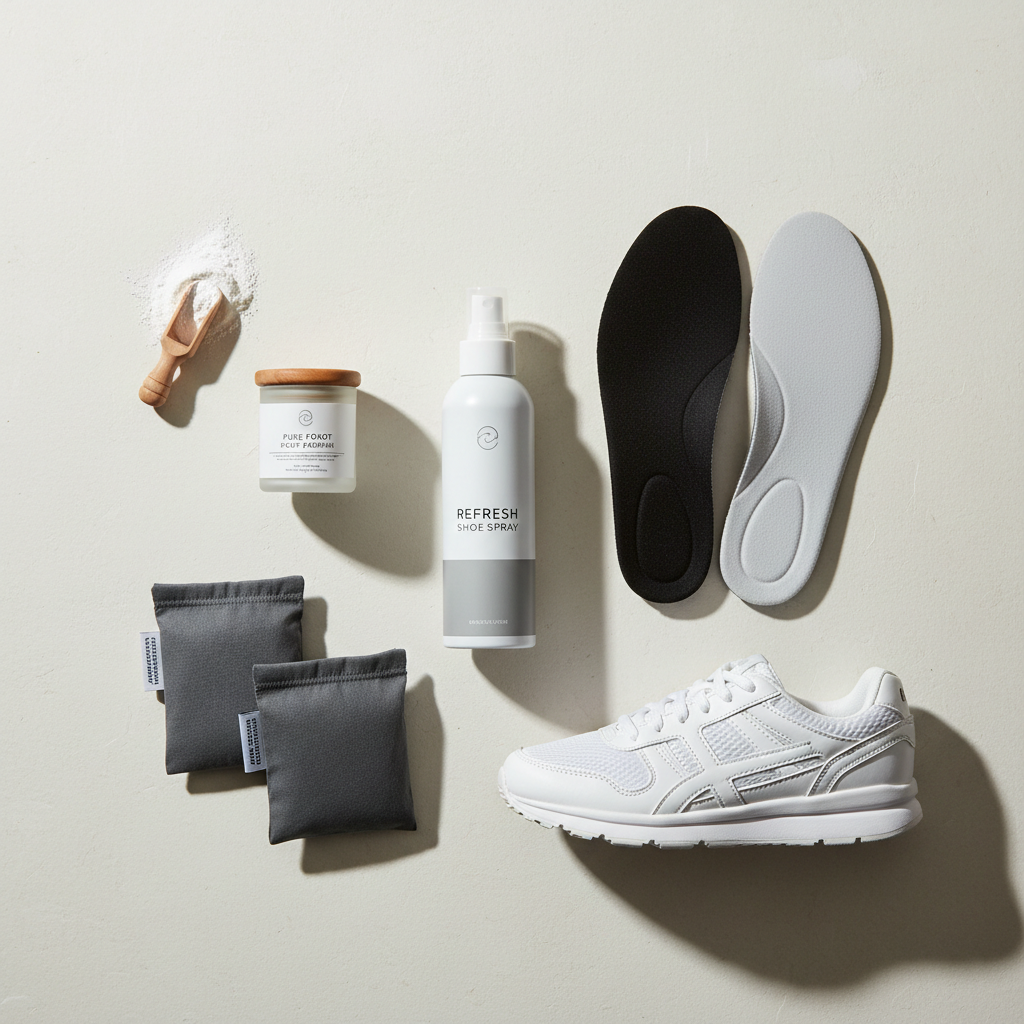
| Sprays (deodorizing or disinfecting) | Fast reset, fabric sneakers, shared shoes | Easy coverage; some formulas target bacteria | Overuse can dampen shoes; fragrance sensitivity for some |
| Deodorizing balls/solid inserts | Gym shoes, kids’ shoes, quick freshness | Convenient, portable | Often fragrance-forward; may only mask strong odor |
| UV/ozone shoe devices | Stubborn odor, frequent rotation, premium option | Hands-off; can reduce microbes | Cost; follow instructions carefully, results vary by shoe |
| Replaceable insoles | Odor locked in footbed, older shoes | Often the “missing fix,” boosts comfort too | Not a deodorizer by itself unless paired with drying |
Key point: if your shoes smell worst right after wearing, you likely need moisture control. If they smell even when “dry,” you’re dealing with trapped odor in materials or insoles, and you may need a stronger reset.
A quick self-check to pick the right option
Before you buy anything, do this quick sniff-and-feel test. It takes 60 seconds and saves you from grabbing the wrong “best” product.
- Are the shoes still damp the next morning? Lean toward powders, drying inserts, and rotation.
- Does odor spike in the toe box? Insoles and socks are likely the main issue.
- Is the smell sour or “cheesy”? Often microbial, sprays with antimicrobial labeling may help, plus drying.
- Do you keep them in a gym bag or closed locker? Charcoal bags and airflow matter more than fragrance.
- Do your feet itch, peel, or burn? Could be athlete’s foot; consider OTC antifungal care and consult a clinician if it persists.
If you check two or more boxes in the same direction, that’s your category. People get stuck because they buy a masking deodorizer when they really need drying plus an insole swap.
How to use a shoe deodorizer so it actually works
Even the best shoe deodorizer for smelly shoes can underperform if you apply it to a wet shoe and then toss it back in a dark closet. Odor control is mostly about timing and airflow.
Step-by-step routine (10 minutes total)
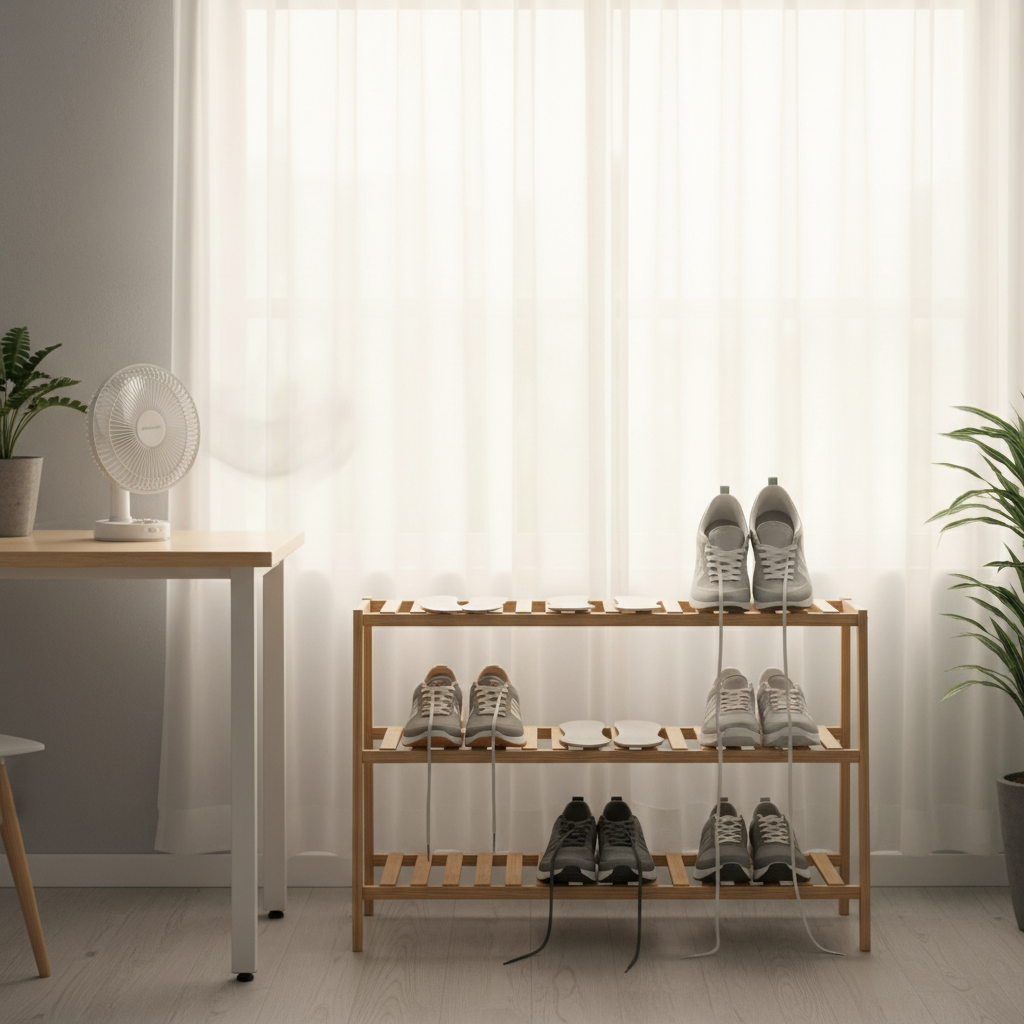
- Right after wear: pull out insoles if removable, loosen laces, open the shoe up.
- Dry first: air-dry in an open area, not a sealed bin. If you use a spray, keep it light so you don’t add moisture.
- Apply the deodorizer:
- Charcoal bags: place one per shoe overnight, ideally 8–12 hours.
- Powder: dust lightly into the shoe and on the insole underside, then tap out excess later.
- Spray: mist the insole and toe area, then let it fully dry before storing.
- Reset weekly: wipe insoles, wash washable insoles if the brand allows, and rotate pairs.
Small but important: if the shoe stays damp, odor returns. Prioritize drying over “stronger scent.”
Best picks by scenario (what to buy, not just what’s trendy)
There isn’t one universal winner, but there are clear winners by use case. Here are the combinations that tend to make people stop shopping around.
- Gym sneakers used 4–6x/week: antimicrobial spray plus charcoal bags for between wears.
- Work boots (long shifts, thick materials): moisture-absorbing powder plus spare insoles to rotate.
- Dress shoes (leather, tighter fit): charcoal bags and cedar shoe trees, go easy on wet sprays.
- Kids’ shoes: deodorizing balls for convenience, but add airflow and occasional wash-insoles if possible.
- “Permanent” odor in older shoes: replace insoles first, then do a 1–2 week drying + deodorizer routine.
If you’re still deciding, charcoal bags are the lowest-risk starting point: minimal mess, minimal scent, and they pair well with other methods.
Common mistakes that keep odor coming back
Most recurring odor isn’t because you picked the “wrong brand.” It’s because one piece of the system stays the same.
- Spraying and immediately storing: you trap humidity, which can worsen smell over time.
- Using more product instead of more drying: powders and sprays can only do so much in a wet shoe.
- Ignoring socks: thick cotton can hold moisture; many people do better with moisture-wicking blends.
- Never replacing insoles: if the footbed smells even after cleaning, it’s often time.
- Trying harsh home chemicals: some can discolor materials or irritate skin; patch test when unsure.
Also, fragrance-heavy products can backfire if the underlying odor stays. You end up with “odor plus perfume,” which is somehow worse.
When to consider a deeper reset or professional help
If you’ve done consistent drying, deodorizing, and insole care for two weeks and the smell stays intense, consider a deeper reset. Some shoes hold odor in foam or lining so stubbornly that replacement is the most practical choice.
- Deep reset options: wash (only if the shoe is machine-wash safe), replace insoles, and continue with charcoal maintenance.
- Foot or skin symptoms: persistent itching, cracking, redness, or rash can signal a fungal issue or dermatitis, and it’s reasonable to consult a healthcare professional for guidance.
- Diabetes or poor circulation: be extra cautious with foot issues; advice from a clinician is usually worth it.
According to the Centers for Disease Control and Prevention (CDC), fungal infections can spread in moist environments, and keeping feet clean and dry supports prevention. If you suspect fungus, deodorizer alone may not address the root cause.
Practical takeaways (so you can stop thinking about this)
If you want the shortest path to improvement, treat odor like a two-part job: reduce moisture and reduce microbes, then keep the shoe from marinating in its own humidity.
- Start simple: charcoal bags for maintenance, plus better drying habits.
- Escalate when needed: add powder or an antimicrobial spray for heavy sweating or stubborn smell.
- Don’t forget the “hidden” fix: new insoles often change the game for older shoes.
If you take one action today, remove the insoles after your next wear and let the shoes fully dry before you treat them. That alone solves more “mystery odor” than most people expect.
FAQ
- What is the best shoe deodorizer for smelly shoes if I hate strong scents?
Activated charcoal or bamboo deodorizer bags are usually a good fit because they’re typically fragrance-free and focus on adsorption, just give them overnight contact time. - Are shoe deodorizer sprays safe for all materials?
Not always. Many sprays are fine for fabric sneakers, but leather and suede can spot or stiffen, so it’s smart to test a small hidden area and avoid soaking. - Why do my shoes still smell after I use deodorizer?
Common reasons are damp storage, old insoles holding odor, or not letting the product sit long enough. If the shoe never fully dries, odor tends to rebound quickly. - Do UV shoe sanitizers really work?
They can help reduce microbes in some situations, but results vary by device and shoe shape. They work best as part of a routine, not as a one-time rescue. - Should I use powder or spray for sweaty feet?
Many people with heavy sweating prefer powders because they absorb moisture fast. Sprays can help too, but too much spray may add moisture unless you dry the shoe well afterward. - How often should I replace insoles to reduce odor?
It depends on wear frequency and sweat level, but if insoles smell even after cleaning and drying, replacement is often more effective than trying to “treat through” it. - Can smelly shoes mean I have a foot fungus?
Sometimes, especially if you have itching, peeling, or burning. A deodorizer may reduce smell, but persistent symptoms are a good reason to talk with a clinician or pharmacist about options.
If you’re tired of trial-and-error, a simple way to get results is choosing one primary deodorizer type for your use case, then pairing it with a drying habit you can actually keep, rotation and removable insoles make the biggest difference for most people.