
Finding the best cuticle oil for nails healthy usually comes down to one thing, can it consistently reduce dryness around the nail fold without leaving you greasy or irritated.
If your nails peel, snag, or feel “tight” near the cuticle, oil can help because it supports the skin barrier, that thin protective layer that keeps water in and irritants out. When that barrier stays stressed by handwashing, acetone, cold weather, or gel wear, nails often look rough even when your manicure looks fine.
This guide breaks down what actually matters in a cuticle oil, how to tell which type you need, and a simple routine you can stick to. I’ll also flag common traps, like buying a nice-smelling oil that never absorbs, or expecting oil to fix a deeper nail problem that needs a pro.
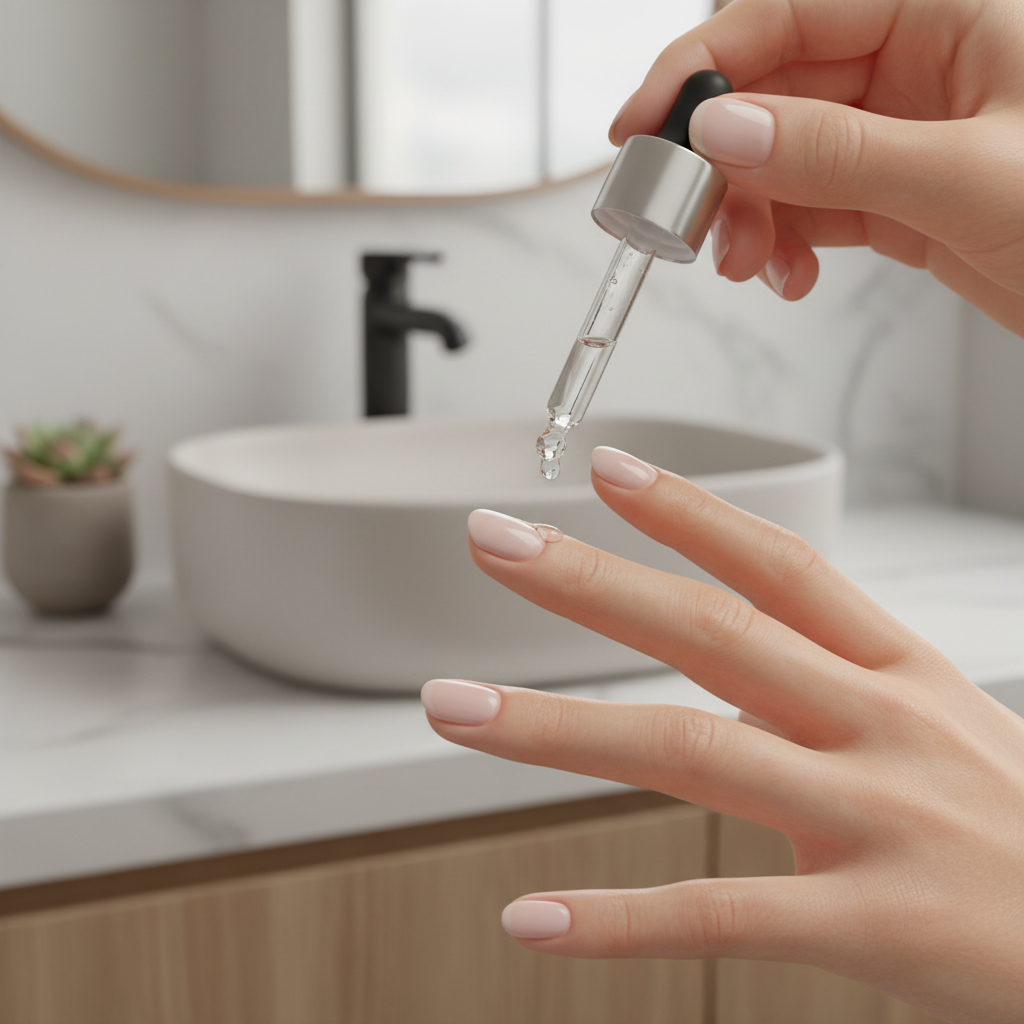
What cuticle oil really does (and what it can’t)
Cuticle oil is mainly a conditioning product, it softens dry skin around the nail and reduces flaking so the nail fold seals better. That matters because the base of the nail is where new nail grows, and irritated surrounding skin often leads to picking, tearing, and inflamed edges.
What it can’t do is “repair” a nail plate the way a medication might, or instantly reverse damage from aggressive removal. If you have discoloration, lifting, swelling, or pain, oil may soothe but it’s not the main solution.
According to the American Academy of Dermatology Association... moisturizing your nails and cuticles regularly can help prevent nails from becoming dry and brittle, which is one of the clearest, most practical reasons cuticle oil is a staple in nail care routines.
Why nails look unhealthy even when you “take care of them”
Most people aren’t “neglecting” their nails, they’re just dealing with repeated micro-stress. A few patterns show up again and again.
- Frequent handwashing and sanitizer: great for hygiene, tough on the skin barrier.
- Acetone and gel removal: strips oils fast, especially if you soak longer than needed.
- Cold or low-humidity air: winter plus indoor heat can make cuticles crack.
- Picking and trimming too much: the more you cut, the more the body tries to “rebuild,” and the edges can get ragged.
- Allergy or irritation: some fragrances, essential oils, or preservatives can trigger redness and peeling in sensitive users.
If your goal is the best cuticle oil for nails healthy, you’re really looking for a formula that fits the kind of stress your hands get daily, not just the prettiest bottle.
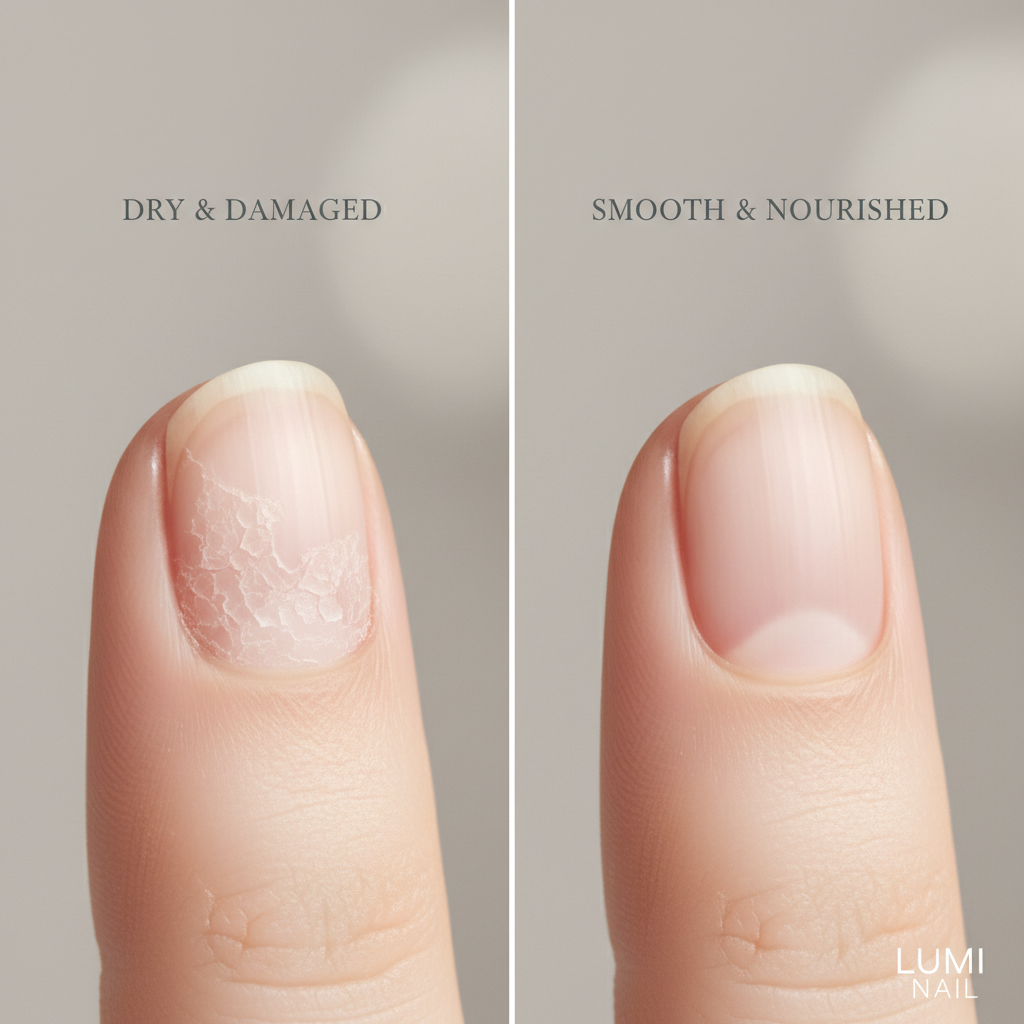
Ingredient cheat sheet: what to look for in the best cuticle oil
Ignore hype words and scan the label for a mix of emollients (make skin feel smooth), occlusives (slow water loss), and supportive add-ons like vitamin E. A good formula often feels “thin but lasting.”
High-value ingredients (common, useful)
- Jojoba oil: often absorbs well and feels less greasy, popular for daily use.
- Sweet almond oil or apricot kernel oil: softening, good for rough cuticles.
- Grapeseed or sunflower oil: lighter feel, nice if you hate residue.
- Vitamin E (tocopherol): antioxidant support, also helps with slip.
- Squalane: lightweight, “silky,” typically friendly for many skin types.
Useful but situational
- Coconut oil: can feel heavier, some people love it at night, others find it sits on top.
- Essential oils (tea tree, lavender, citrus): can be irritating for sensitive skin, patch testing makes sense.
- Fragrance: pleasant, but if you’re prone to redness, fragrance-free may be the safer bet.
A quick “red flag” mindset (not a ban list)
If you notice stinging, new peeling, or persistent redness after switching oils, stop and reassess. It’s not always “purging,” many times it’s simple irritation.
Pick the right type for your lifestyle (not just your nail goals)
There isn’t one universal best, there’s a best match. Here’s a practical way to choose without overthinking.
| Cuticle oil type | Best for | What to watch |
|---|---|---|
| Dropper bottle oil | Home routines, post-shower care | Easy to over-apply, can feel slick |
| Brush pen | On-the-go, desk use, travel | Some pens dispense unevenly |
| Rollerball | Quick application, minimal mess | Can collect lint if not capped well |
| Balm or salve | Very dry cuticles, night use | Heavier texture, slower absorption |
If you wash hands constantly, a pen or rollerball wins on compliance. If you only oil “when you remember,” the easiest format often becomes the best cuticle oil for nails healthy for you, because it actually gets used.
Self-check: which cuticle oil routine do you need?
Use this quick list to diagnose your situation and avoid random product hopping.
- Dry but not painful: light oil 1–2 times daily, especially after washing hands.
- Hangnails and rough edges: oil plus a thicker night layer, consider a balm before bed.
- Post-gel or post-acetone: oil right after removal, then again morning and night for a week.
- Oily nail beds but dry cuticles: target only the nail folds, choose fast-absorbing oils like jojoba or squalane.
- Sensitive or reactive skin: fragrance-free, minimal essential oils, patch test first.
If you want a simple rule, if your cuticles look fine in the morning but crack by afternoon, your issue is usually daytime moisture loss, not “lack of strength.”
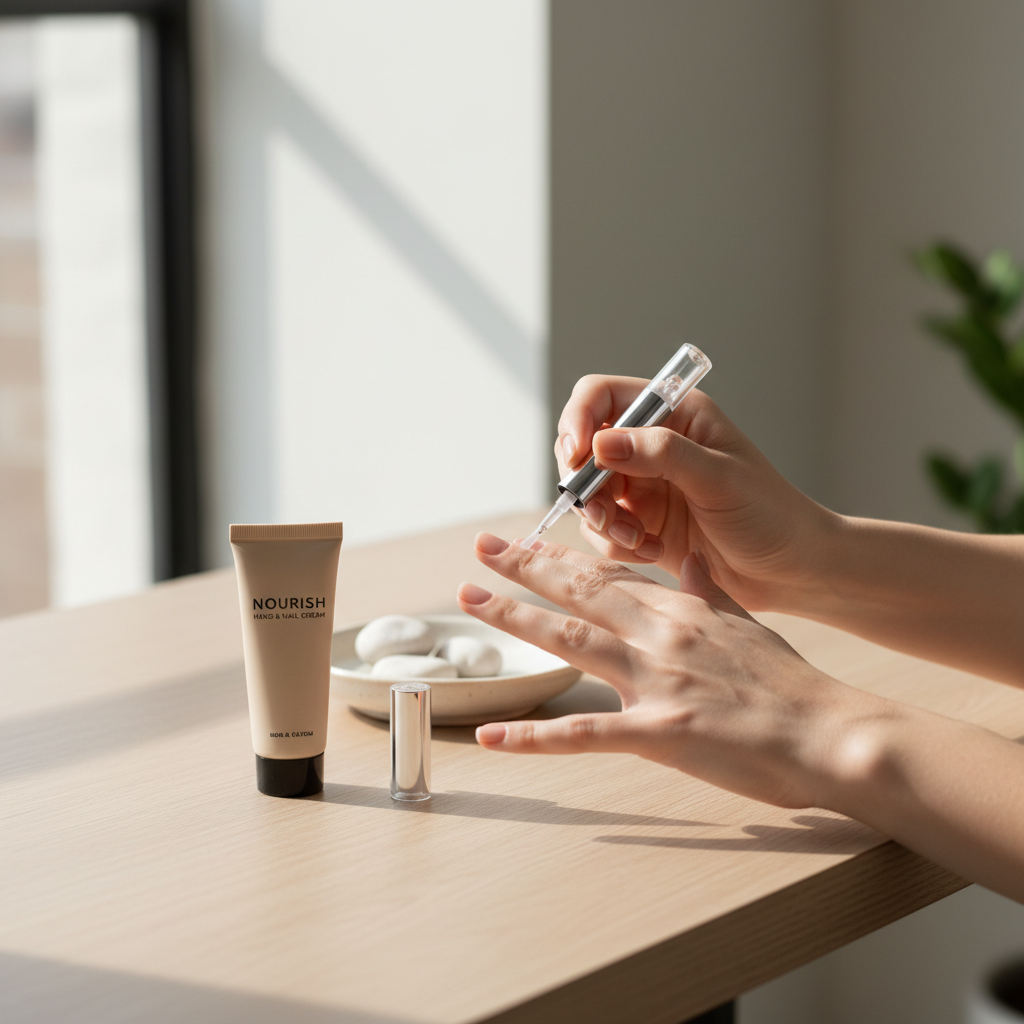
How to apply cuticle oil so it actually helps
Application matters more than people think. Not because there’s a secret technique, but because most users apply too much and then wipe it off on a towel two minutes later.
A simple daily method (takes under 2 minutes)
- Start with clean, dry hands, damp skin is fine, but dripping wet skin dilutes oil and feels messy.
- Apply a small amount to the nail fold, one drop for two to three nails is often enough.
- Massage for 20–30 seconds per hand, you’re warming it so it spreads into the skin.
- Wait a minute, then optionally top with a hand cream to lock it in.
Night routine when cuticles keep splitting
- Oil first, then add a thicker layer, balm, petrolatum-based ointment, or a rich hand cream.
- If you can tolerate it, cotton gloves can reduce transfer to sheets, but plenty of people skip this and still improve.
According to the National Eczema Association... protecting the skin barrier and sealing in moisture is a cornerstone of managing dryness, and that logic applies well to chronically dry cuticle skin too, though persistent cracking may still need professional evaluation.
Common mistakes that keep nails from looking healthier
A few habits can cancel out a good oil, even if you bought a formula that should work.
- Only using oil once a week: for many people, consistency beats intensity.
- Cutting the cuticle aggressively: trimming live skin often leads to more hangnails.
- Skipping protection: if you clean or do dishes, gloves reduce repeated stripping.
- Assuming “natural” means non-irritating: essential oils can still trigger reactions.
- Expecting instant change: nail appearance often improves gradually as the skin around the nail calms down.
If you’ve been searching for the best cuticle oil for nails healthy and nothing sticks, the issue may be friction, water exposure, or picking, not the oil itself.
When to consider a dermatologist or nail professional
Cuticle oil is reasonable for routine dryness, but it’s smart to get help if symptoms look atypical or keep escalating.
- Swelling, warmth, throbbing pain, or pus around the nail, possible infection.
- Nail lifting, thickening, or persistent discoloration, could be fungus or other nail disorders.
- Bleeding cracks that won’t settle, especially if you have eczema, diabetes, or circulation issues.
- Rashes after product use, patch testing guidance may help.
This article is general education, not medical advice, and a clinician can help rule out conditions that a cosmetic routine can’t address.
Key takeaways and a realistic next step
Most people don’t need a complicated lineup, they need a cuticle oil they enjoy using, plus a routine that survives real life. If you want healthier-looking nails, aim for steady barrier care, lighter oil during the day, thicker layer at night when needed.
- Choose for consistency: pen or rollerball if you’re busy, dropper if you prefer home care.
- Prioritize absorption: jojoba, squalane, grapeseed often feel less greasy.
- Protect the gains: gloves for cleaning, reduce aggressive trimming and picking.
If you do one thing this week, keep oil by your sink or desk and apply after washing hands, that single habit often moves the needle more than upgrading to a pricier bottle.