
Satin pillowcase for hair beauty is one of those small swaps that can make your mornings easier, especially if you wake up with frizz, tangles, or “sleep lines” on your face. It won’t replace a solid hair routine or skincare, but it can remove one very common source of daily stress: friction from your pillow.
People usually start looking at satin when they realize their products work fine at night, yet their hair still looks roughed up by breakfast. Same for skin, you can moisturize well and still notice creasing or irritation if your pillowcase grabs and drags.
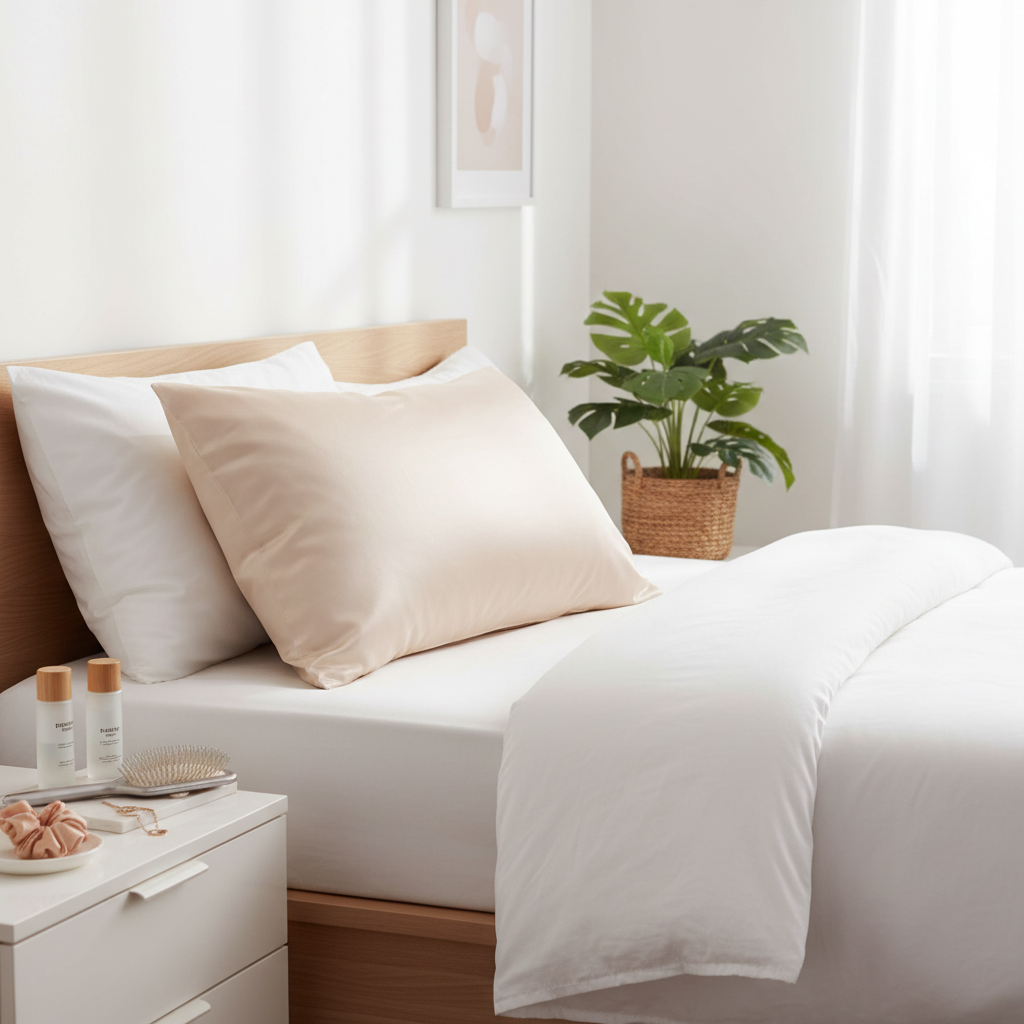
There’s also a lot of confusion online, satin vs silk, “does it cause acne,” “is it hot,” “will it ruin curls.” This guide keeps it practical, what satin can realistically do, how to pick one that feels good, and how to use it without turning laundry day into a project.
Why satin can help hair and skin (and when it won’t)
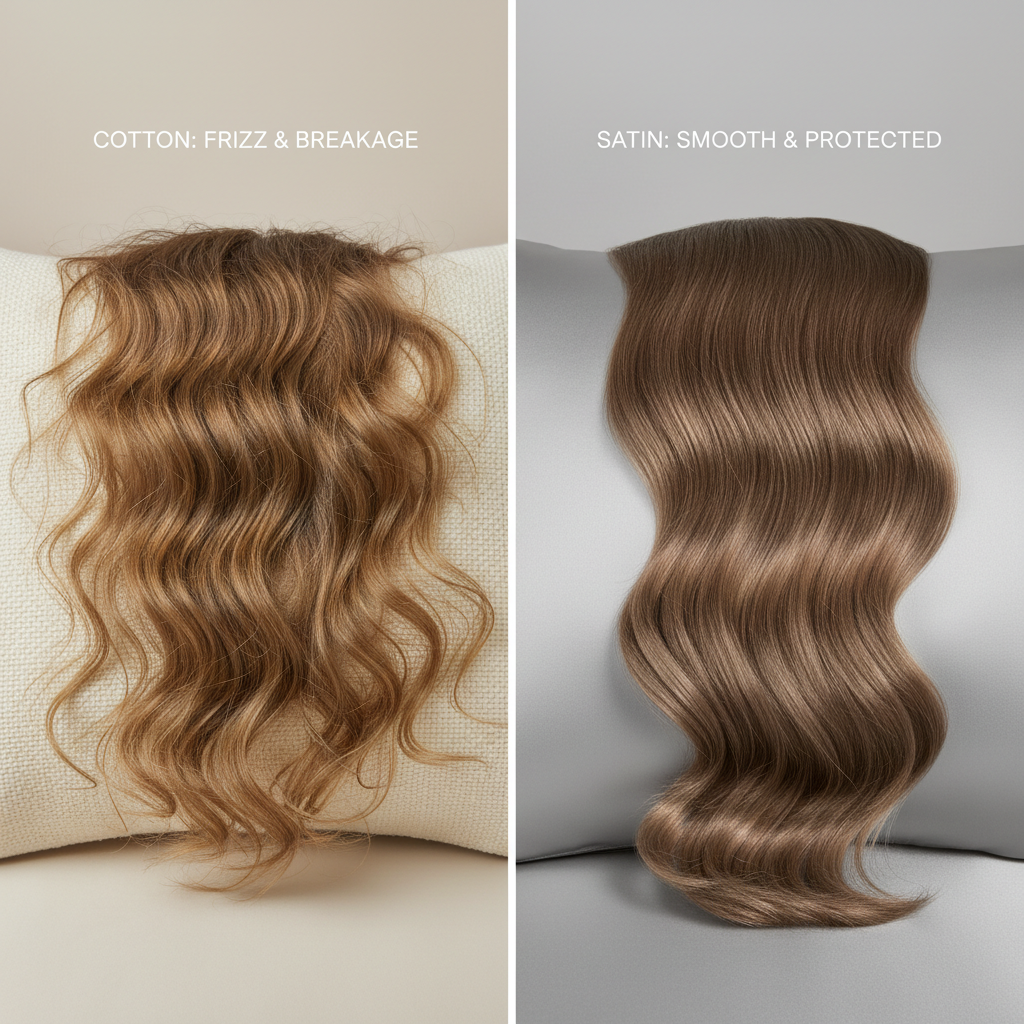
The main idea is simple: satin tends to be smoother than many cotton weaves, so it can reduce snagging and rubbing while you sleep. Less friction often means fewer tangles, less frizz, and less mechanical irritation on the skin.
For hair, friction shows up as rough cuticles, broken strands around the hairline, and flattened or misshapen curls. For skin, friction can worsen redness or leave temporary creases, especially if you sleep on your side.
- Hair types that often notice a difference: curly, coily, bleached, color-treated, fine hair that tangles easily.
- Skin situations that may benefit: dryness, sensitivity, retinoid use, easily irritated cheeks.
- When satin won’t “fix” it: breakage from tight styles, heat damage, scalp issues, hormonal acne, or a skincare routine that’s irritating.
According to American Academy of Dermatology (AAD), acne management is usually about gentle cleansing, non-comedogenic products, and targeted treatment, so don’t expect a pillowcase to be your only lever if breakouts are the main problem.
Satin vs. silk vs. cotton: what matters for beauty sleep
“Satin” is a weave, not a fiber. That’s why you’ll see satin made from polyester, nylon, or occasionally silk. Silk is a fiber. Cotton is a fiber. The feel on your hair and skin comes from both the surface smoothness and how the fabric handles moisture and heat.
| Material | What it feels like | Common pros | Common trade-offs |
|---|---|---|---|
| Satin (often polyester) | Very smooth, slippery | Budget-friendly, reduces friction, easy to find | Can sleep warmer for some, quality varies by weave |
| Silk (mulberry silk) | Smooth, soft, slightly less “slippery” | Luxurious feel, good drape | Usually pricier, more delicate care |
| Cotton (especially percale) | Crisp, breathable | Cooler sleep for many, easy care | More friction, can rough up textured or fragile hair |
If your priority is hair shape and frizz control, a satin pillowcase for hair beauty often gets you most of the “slip” benefit without the price of silk. If you run hot at night, you may need to be pickier about fabric weight and overall bedding breathability.
A quick self-check: do you actually need a satin pillowcase?
This is the part people skip, then feel underwhelmed. If your issue isn’t friction, satin won’t look dramatic. Use this checklist to decide.
- You wake up with tangles at the nape or crown even on non-wash days
- Your curls or blowout looks “crushed” on one side in the morning
- You see broken hairs around temples or edges (and you don’t wear a tight style)
- You notice facial creases or cheek redness after sleeping on your side
- You use retinoids or exfoliants and your skin feels easily irritated
If you checked 2 or more, you’re likely in the group that notices a practical difference, especially for hair manageability.
If your main complaint is scalp itch, dandruff, or inflammatory acne, it’s smarter to treat that as a skin/scalp condition. A pillowcase can support comfort, but it’s rarely the main driver.
How to choose a satin pillowcase that’s worth using
Not all satin feels the same. Some are smooth but noisy, some snag quickly, some trap heat. A few details help you avoid the “I tried it and hated it” outcome.
Focus on weave quality and finish
- Smooth, dense surface: run your hand across it, it should feel slick without rough spots.
- Strong seams and zipper (optional): helps keep the pillow from sliding out, especially if you toss and turn.
- Matte vs shiny: both can work, but super-shiny cheap satin sometimes pills faster.
Pick the right size and closure
- Standard/Queen/King should match your pillow, loose cases bunch up and create wrinkles that can still press into skin.
- Envelope closures feel softer against the face, zip closures keep everything in place, choose based on preference.
Think about temperature
If you sleep hot, look for lighter-weight satin and keep the rest of your bedding breathable. In many bedrooms, heat buildup comes from the whole sleep setup, not only the pillowcase.
How to use satin for better hair mornings (realistic routine)
A satin pillowcase for hair beauty works best when it supports what you already do, rather than replacing it. Here are a few routines that match common hair goals.
For frizz and tangles
- Before bed, detangle gently and stop once it feels smooth, don’t over-brush dry curls.
- Use a loose braid or a soft scrunchie, tight elastics still cause breakage.
- If you use a leave-in, keep it light, too much product can transfer to fabric and feel greasy.
For curls, coils, and protective styles
- Pair satin with a bonnet or scarf if you need maximum hold, the combo usually beats pillowcase alone.
- Refresh in the morning with a mist rather than piling on heavy creams.
For fine hair that gets flat
- Try a loose top-knot with a scrunchie, or flip hair above your head on the pillow.
- Avoid oily serums right at the roots at night, they travel.
Skin-care angle: what satin can support (and how to keep it clean)
For skin, the value is mostly about reducing rubbing and keeping your barrier calmer, especially if you’re using active ingredients. It can also be nice if you notice creases after side sleeping, though those lines are usually temporary.
Cleanliness matters more than fabric type if you’re acne-prone. Sweat, product residue, and hair oils build up on any material.
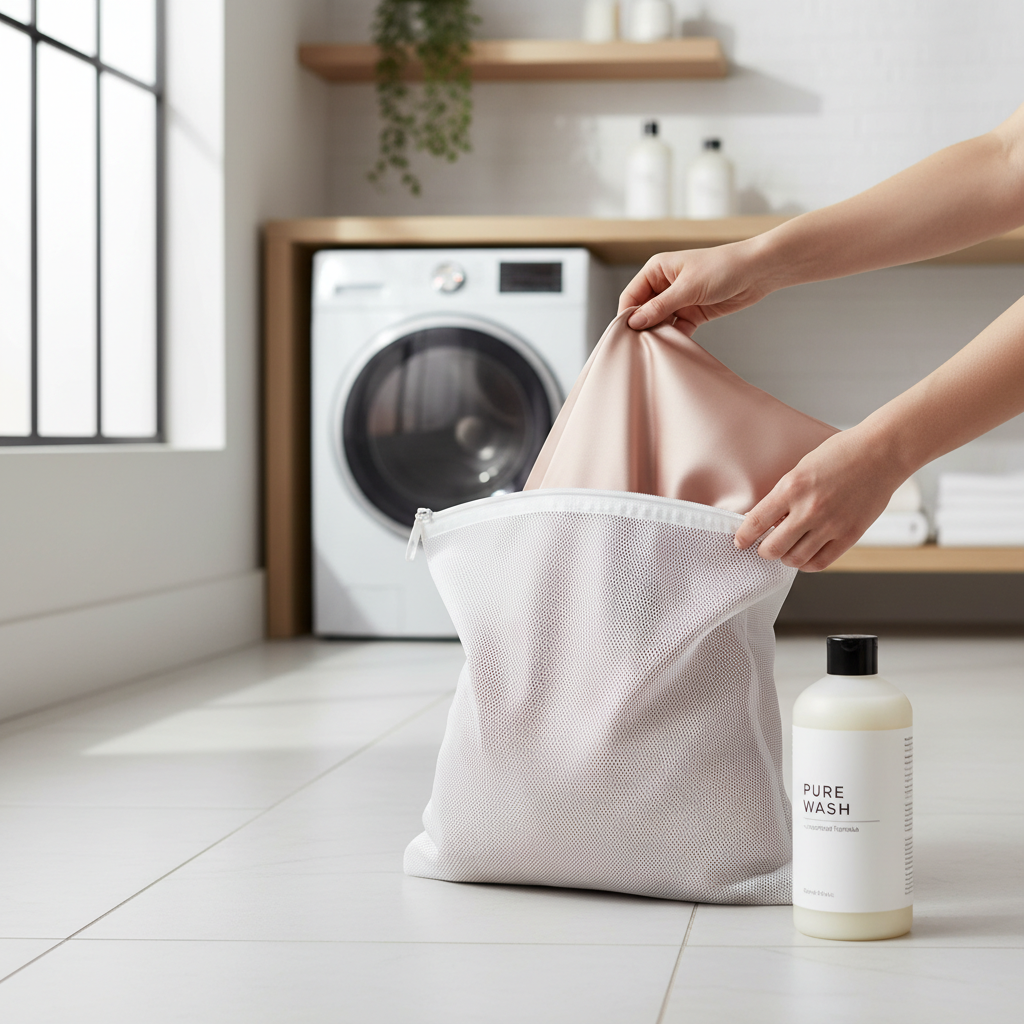
- Wash frequency: many people do 1–2 times per week, if you’re breaking out or use heavy night creams, more often may help.
- Detergent: fragrance-free options can be gentler for sensitive skin.
- Avoid fabric softener: it can leave residue that bothers some skin types.
According to Centers for Disease Control and Prevention (CDC), regular cleaning of frequently touched fabrics and surfaces supports hygiene, which is a sensible reminder for pillowcases as well, even if you’re focused on beauty benefits.
If you have persistent rashes, severe acne, or suspected allergies, it’s worth checking with a dermatologist, the “fix” might be ingredient-related rather than fabric-related.
Common mistakes and what to do instead
- Expecting overnight miracles: look for easier detangling and less frizz, not a total transformation.
- Buying the cheapest option and quitting: rough satin exists, if it snags, it defeats the point.
- Not washing often enough: product transfer is real, especially with hair oils and heavy moisturizers.
- Ignoring your sleep style: if you move a lot, a zip closure or snug fit reduces bunching.
Key takeaways: satin helps most when friction is your problem, fit and fabric quality matter, and cleanliness matters more than brand hype.
Practical buying and care tips (so it stays nice)
If you want this to be a low-effort upgrade, set it up so it’s easy to maintain, otherwise it ends up in the “good intentions” pile.
- Buy two pillowcases so you can rotate without rushing laundry.
- Wash on gentle with cool or warm water, then air-dry or tumble low, higher heat can shorten lifespan.
- If you use strong actives at night, let skincare absorb for a few minutes before lying down to reduce transfer.
According to U.S. Food & Drug Administration (FDA), people can react differently to materials and products, so if you notice irritation after switching fabrics or detergents, pause and troubleshoot one variable at a time, and consider professional advice if symptoms persist.
Conclusion: is a satin pillowcase worth it for hair and skin?
A satin pillowcase for hair beauty is usually worth trying if you’re dealing with frizz, tangles, or fragile hair that seems to break from everyday friction. For skin, it can be a comfort upgrade and may reduce rubbing, but it won’t replace acne treatment or barrier-friendly skincare.
If you want one clear next step, pick a well-made satin case that fits your pillow snugly, then test it for two weeks while keeping the rest of your routine the same, that’s the easiest way to tell what benefit comes from the fabric.
FAQ
Does a satin pillowcase really help with frizzy hair?
Often, yes, especially if your frizz is from friction and tangling overnight. If your frizz comes from heat damage or humidity, satin may help a bit, but you’ll still need a styling plan.
Is satin or silk better for hair?
Silk can feel more breathable and luxurious, but many people get similar “slip” benefits from satin. The better choice is the one you’ll actually use and wash consistently.
Can a satin pillowcase cause acne?
By itself, it usually isn’t a direct cause, but any pillowcase can trap oil, sweat, and product. If you’re acne-prone, washing more frequently and using gentle detergent matters a lot.
How often should I wash a satin pillowcase?
Many people do weekly, but if you use heavy hair oils, night creams, or you break out easily, every 3–4 days may be more realistic.
Will satin make me sleep hotter?
Some people feel warmer on satin, especially certain polyester satins. If you run hot, choose a lighter weave and keep your sheets and comforter breathable.
Is a satin pillowcase good for curly hair?
Usually, yes, it can help reduce frizz and keep curl clumps from getting roughed up. If you want stronger curl preservation, pair it with a bonnet or scarf.
What should I look for when buying satin pillowcases online?
Look for clear sizing, solid stitching, and return options in case the fabric feels rough or noisy. Reviews that mention snagging, pilling, or heat are often more useful than generic “so soft” comments.
If you’re trying to simplify mornings, protect fragile hair, or keep skin calmer while you sleep, a satin pillowcase is a low-commitment change that fits into most routines, and if you want a more tailored setup, pairing it with the right hair wrap, skincare timing, and wash schedule usually delivers the best payoff.