
How to thrift clothes like a pro comes down to two things most people skip, a plan before you walk in, and a quick system for judging quality once you start flipping hangers.
If you’ve ever left a thrift store with a “good deal” that never makes it out of the closet, you already know the real cost isn’t the price tag, it’s the clutter, the fit issues, and the time spent convincing yourself it was worth it.
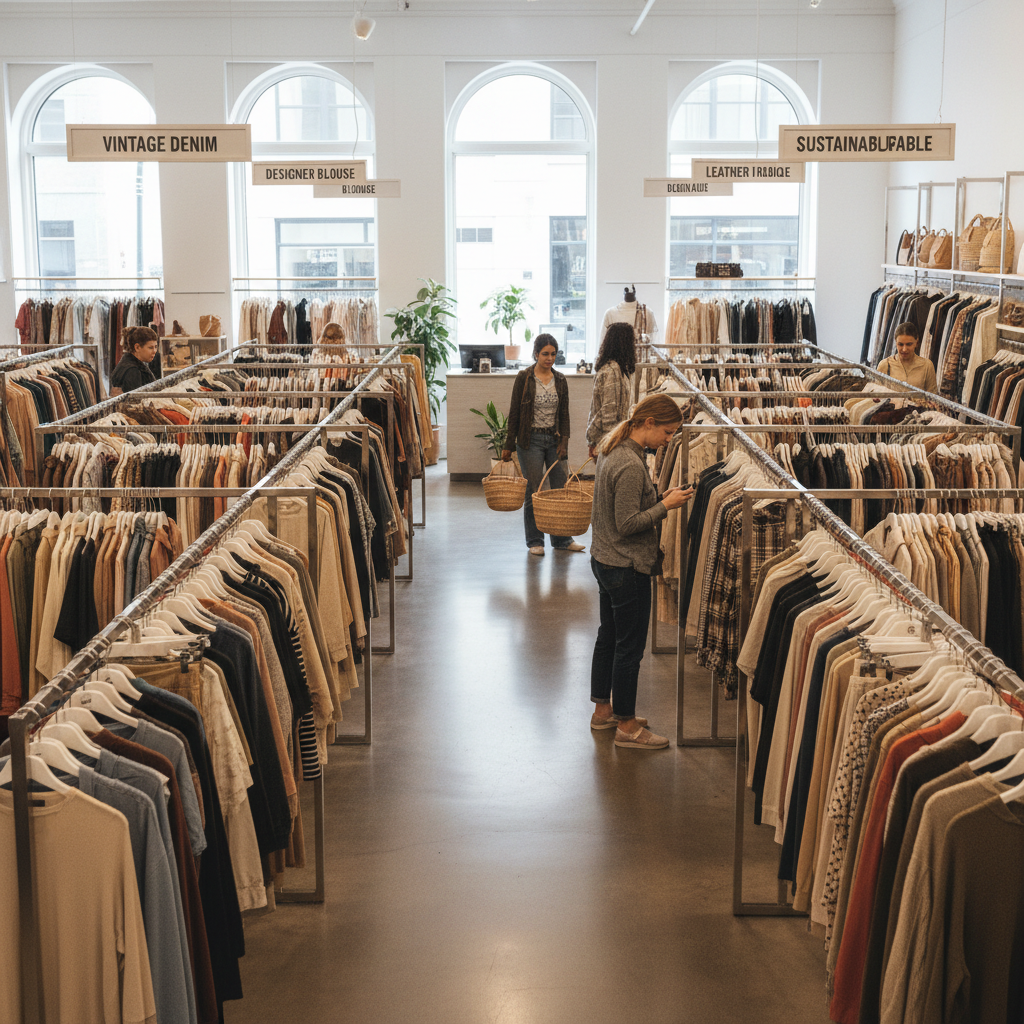
This guide stays practical, you’ll learn what to look for, what to ignore, and how to build a wardrobe that feels intentional even when everything is secondhand. I’ll also call out common traps, like overbuying “because it’s cheap” and missing subtle damage that makes a piece unwearable.
Know your “why” before you shop (it changes what you buy)
People thrift for different reasons, budget, sustainability, vintage style, workwear basics, or that one perfect leather jacket. Your reason matters because it decides what “success” looks like.
- Budget-first: prioritize condition, washability, and versatile colors.
- Style-first: allow more time for browsing, focus on standout pieces and tailoring potential.
- Sustainability-first: buy less but better, avoid impulse items that become future donations.
- Resale-first: learn labels, materials, and demand, and accept you’ll leave empty-handed sometimes.
One honest rule that helps: if you can’t name at least two outfits you’d wear it with, it’s probably not a “pro” purchase, it’s a dopamine purchase.
What to bring: a small kit that saves time and regret
You don’t need gadgets, but a few basics make thrifting smoother, especially in busy stores with limited fitting rooms.
- Crossbody bag so your hands stay free.
- Phone notes with your sizes and a short wishlist.
- Measuring tape for inseams, waistbands, and chest width.
- Hand sanitizer and a thin layer (tank/tee) if you plan to try on over clothes.
- Hair tie or clip, fitting rooms feel easier when you’re not fighting your hair.
If you’re serious about how to thrift clothes like a pro, the measuring tape alone changes your hit rate, especially for jeans, blazers, and vintage sizing that doesn’t match modern charts.
Do a fast quality check (so you stop buying “almost” pieces)
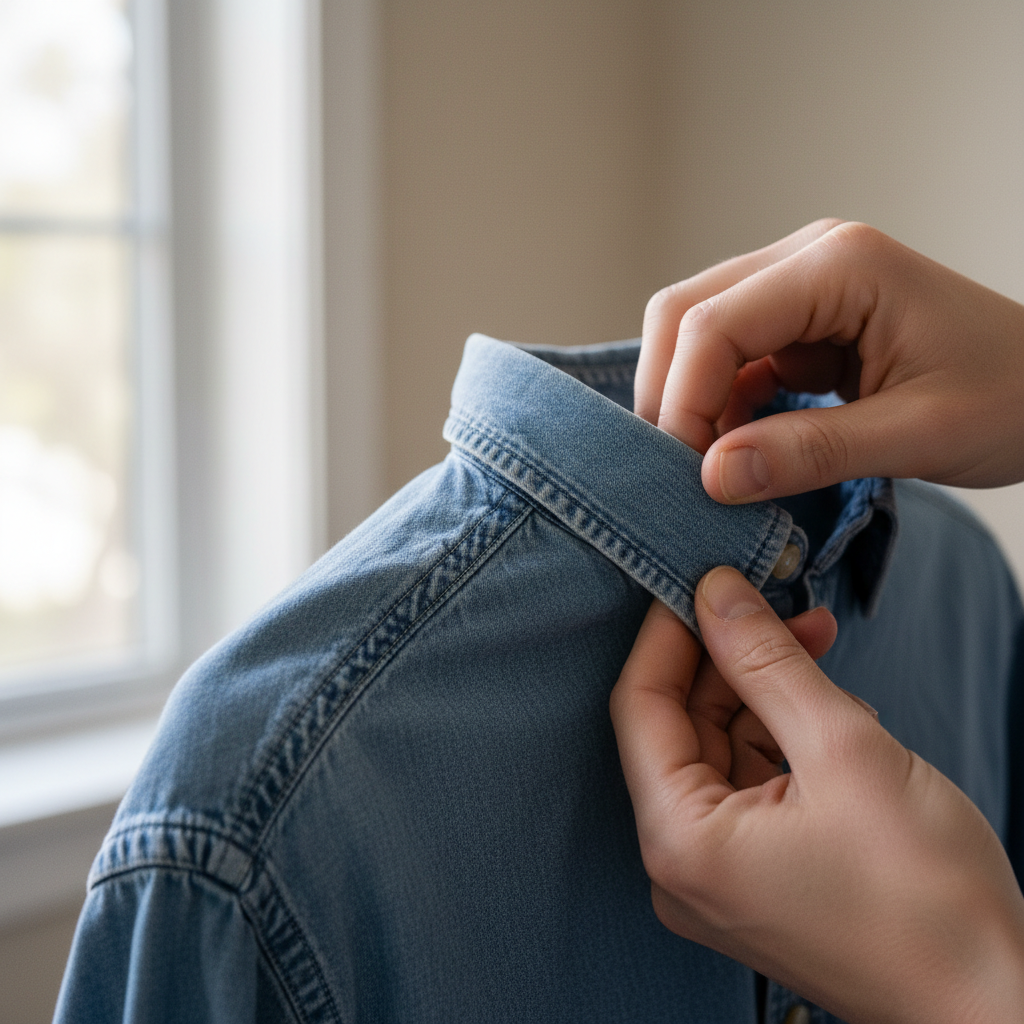
Pros don’t inspect everything, they inspect the right things. Build a quick loop and repeat it for every item you like, fabric, structure, damage, then fit potential.
Fabric: read it like a shortcut
- Usually worth it: cotton, wool, linen, silk, cashmere, high-quality denim.
- Mixed bag: blends can be great, but check for pilling and stretching.
- Often risky: thin polyester that shines, overheats, or pills fast.
According to U.S. EPA, keeping textiles in use longer can reduce waste and resource use, which is a nice bonus when you choose durable fabric over flimsy “cheap wins.”
Construction: look where brands cut corners
- Check seams for loose stitching and pulled threads.
- Look at hems, uneven hems often mean prior alterations or poor manufacturing.
- Test zippers and snap buttons, replacements add cost and hassle.
- Inspect underarms and crotch areas for thinning and discoloration.
If you only remember one thing, check the high-stress zones first, you’ll catch most deal-breakers in 15 seconds.
Stains and smells: decide what you can realistically fix
Some stains lift, some don’t. If you’re not sure, assume it won’t come out unless the fabric and stain type are obviously treatable. Odors can be stubborn too, especially mildew. If you’re sensitive to fragrances or mold, it may be smarter to skip and keep looking.
Use a “thrift plan” so you don’t get overwhelmed
Thrift stores reward focus. Without a plan, you end up scanning everything, getting tired, and settling for whatever is closest to “fine.” Try this structure for a 45–90 minute trip.
- 10 minutes: quick lap to spot new racks, color tags, and fitting room rules.
- 25 minutes: hunt your top two categories (example: jeans and sweaters).
- 15 minutes: one “wild card” section (example: outerwear or dresses).
- 10 minutes: final edit, put back anything you’re not excited to wear this month.
This is where many people finally feel how to thrift clothes like a pro, not by finding more, but by leaving with fewer, better items.
Try-on strategy: fit first, perfection later
Fitting rooms vary, sometimes they’re closed or the line is long. Have a backup plan so you still shop intelligently.
When you can try on
- Try “hard-to-fit” items first, jeans, trousers, blazers, structured dresses.
- Move fast with a mirror checklist, shoulders sit right, waistband stays put, you can raise your arms comfortably.
- Take a quick photo, it’s easier to judge later with fresh eyes.
When you can’t try on
- Measure a favorite garment at home and compare in-store with a tape.
- Hold jeans at your waist, if the waistband wraps comfortably, it’s a decent first filter.
- For shirts and jackets, check shoulder seams, if they sit far past your shoulder bone, tailoring gets harder.
Tailoring can be worth it, but only when the base item already looks good on your frame. Hemming pants is usually simple, rebuilding shoulders is usually not.
Price, value, and what “a good deal” really means
Thrifting feels cheap until you add cleaning, repairs, and the stuff you never wear. A practical way to evaluate value is “cost per wear,” even if you estimate loosely.
| Item | What to check | When it’s worth buying | When to skip |
|---|---|---|---|
| Jeans | Inner thighs, zipper, stretch recovery | Denim feels sturdy, minimal wear, fits waist/hips | Thinning fabric, blown seams, distorted shape |
| Blazer | Shoulders, lining, buttons | Shoulders fit, fabric has structure, minor button fix | Shoulders off, heavy pilling, warped lining |
| Sweater | Pilling, holes, neck/cuffs stretch | Natural fibers, small pill you can remove | Multiple holes, felted shrink, strong odors |
| Shoes | Sole wear, insoles, odor | Quality brand, solid sole, cleanable interior | Cracked soles, strong smell, uncomfortable shape |
According to FTC, secondhand shopping can be a smart way to save, but they also recommend checking product condition carefully and understanding return policies, which matters because many thrift stores run final-sale registers.
Cleaning and care: make secondhand feel truly wearable
Cleaning thrifted clothes is usually straightforward, but it depends on fabric and how the item was stored. If you have allergies, asthma, or skin sensitivities, it may help to use fragrance-free detergent and consider an extra rinse cycle, and for tougher issues you might want to ask a cleaning professional.
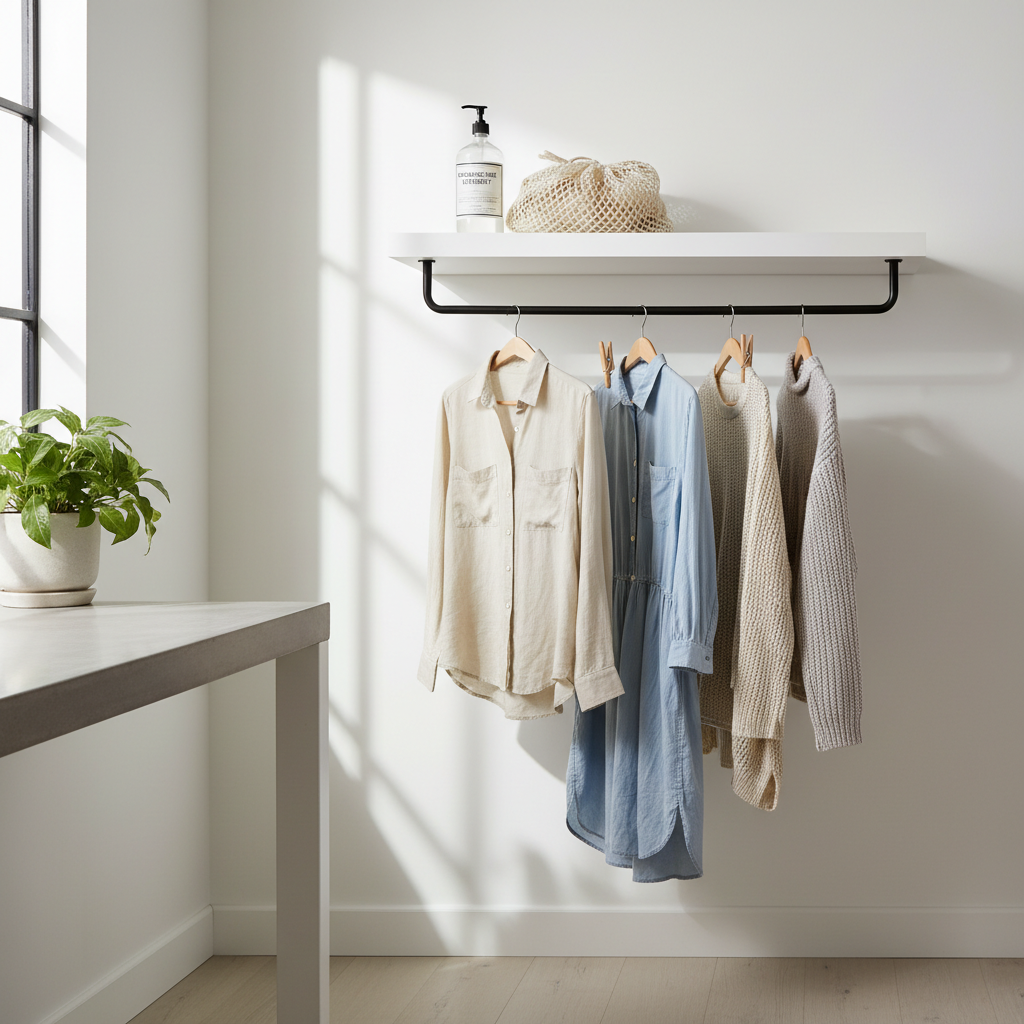
Basic approach most people do well with:
- Washable cotton and synthetics: wash cold or warm, then dry low or air-dry to reduce shrink risk.
- Wool, cashmere, silk: consider hand-wash or dry cleaning, when unsure, follow the care label.
- Vintage and delicate pieces: spot test first, older dyes and trims can be fragile.
- Shoes: wipe down, replace insoles if needed, and let them fully air out.
One small habit that feels “pro,” keep a lint remover and a fabric shaver at home. They can make a decent sweater look presentable fast, as long as the knit isn’t already thinning.
Key takeaways (so your next trip is easier)
- Go in with a short wishlist, two categories plus one wild card keeps you focused.
- Inspect stress points before you fall in love with a piece.
- Buy for outfits, not items, if you can’t style it twice, think twice.
- Fit beats brand most days, tailoring only makes sense on a strong base.
- Plan for cleaning so secondhand actually feels good to wear.
Conclusion: thrift like a pro by editing harder, not shopping longer
If you want how to thrift clothes like a pro to feel real in your life, treat each trip like a mini buying decision, inspect quickly, try on strategically, and walk away from “almost.” Your closet will look more expensive, and you’ll waste less money even when you spend the same.
Next step, write a 5-item thrift wishlist before your next visit, then give yourself permission to leave with just one great piece, or none at all.