
Best hand cream for dry cracked hands usually comes down to two things: the right barrier-repair ingredients and using it in a way that actually seals moisture in, not just “feels nice” for five minutes.
If your knuckles sting, fingertips split, or your hands look ashy even after lotion, you’re not alone, many people run into this in winter, after frequent handwashing, or with jobs that involve gloves, sanitizers, or chemicals. The frustrating part is most products aren’t “bad,” they’re just not matched to the type of dryness you have.
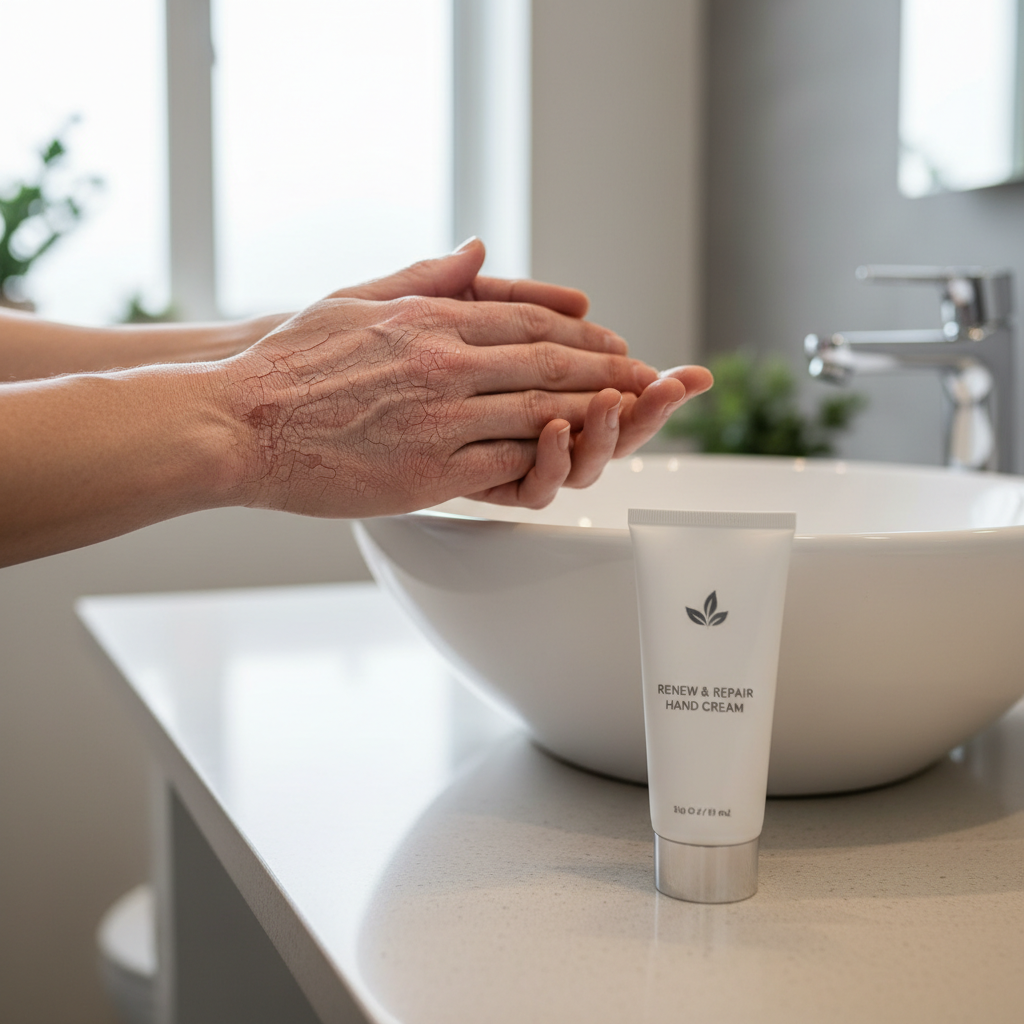
This guide helps you pick a cream based on what’s happening in your skin barrier, then gives a practical routine you can keep up with. No miracle claims, just what tends to work in real life, plus a few red flags that slow healing.
Why hands crack in the first place (and why “more lotion” may not fix it)
Dry, cracked hands usually mean your skin barrier has gaps, water escapes faster than your cream can replace it, and irritants sneak in more easily. That’s why it can burn when you apply products that never bothered you before.
- Frequent washing and sanitizer: Great for hygiene, rough on barrier lipids, especially with hot water and harsh surfactants.
- Cold, low-humidity air: Less moisture in the environment means your skin loses water faster.
- Work exposures: Cleaning agents, mechanics’ solvents, healthcare gloves, hair dye, and “wet work” often push hands into chronic irritation.
- Underlying skin conditions: Hand eczema (irritant or allergic), psoriasis, or fungal issues can look like “simple dryness.”
According to the American Academy of Dermatology Association, moisturizer works best when applied to slightly damp skin, because it helps lock in existing water rather than trying to replace it from scratch.
What to look for in the best hand cream for dry cracked hands
Ingredient lists can feel like alphabet soup, so here’s the simplest way to think about it: you want a mix of humectants (pull water in), emollients (smooth and soften), and occlusives (seal it). For cracks, occlusion matters more than most people expect.
Ingredient cheat sheet (what each one does)
| Ingredient type | Common examples | Best for | Watch-outs |
|---|---|---|---|
| Humectants | Glycerin, hyaluronic acid, urea | Tight, dehydrated skin that feels “paper-dry” | Can sting on open cracks, start small |
| Emollients | Ceramides, fatty alcohols, shea butter | Rough texture, flaking, dullness | Heavier textures may feel greasy for some |
| Occlusives | Petrolatum, dimethicone, mineral oil | Splits, fissures, peeling, windburn | Petrolatum can feel sticky, but performs well |
| Soothing/support | Colloidal oatmeal, niacinamide | Itch, redness, irritated hands | Fragrance can cancel out the benefit |
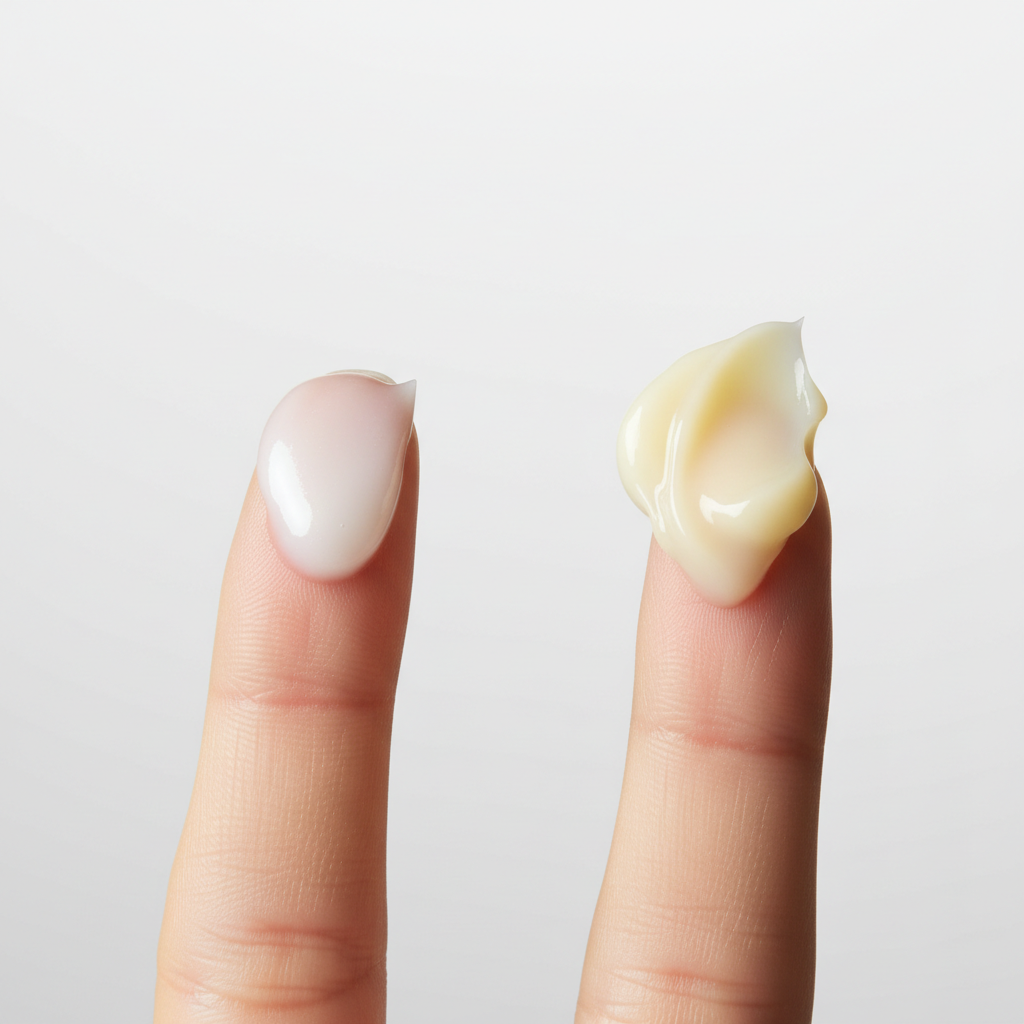
If your hands are cracking, a thin “daily lotion” often loses the fight, you typically need a thicker hand cream or an ointment-like product at least at night.
Quick self-check: which “dry hands” situation are you in?
This takes 30 seconds and saves a lot of random purchasing. Pick the closest match.
- Stings when you apply almost anything: barrier is likely compromised, go bland, fragrance-free, more occlusive, fewer actives.
- White flakes, but no pain: you may do well with ceramides + glycerin, medium-weight cream.
- Deep splits at knuckles or fingertips: ointment layer at night, consider bandage or cotton gloves.
- Red, itchy patches that keep returning: could be hand eczema or contact allergy, consider professional evaluation.
- Only one hand, or ring-area rash: think contact trigger, soap, sanitizer, metal, gloves, even “natural” essential oils.
A simple routine that makes hand cream actually work
The best hand cream for dry cracked hands won’t do much if it’s applied randomly or wiped off immediately. This routine is boring, but it’s the one most dermatology offices suggest in some form.
Daytime: protect and maintain (2 minutes total)
- After every wash: pat hands so they’re not dripping, then apply a small amount of cream while skin is still slightly damp.
- Before exposure: if you’re about to clean, cook, or sanitize a lot, apply a barrier-style cream (often dimethicone-based) first.
- Keep a “strategic tube”: one by the sink, one in your bag, one at your desk, consistency beats a fancy formula.
Night: repair mode (where the results usually show up)
- Apply a thicker layer of cream, then add a thin top coat of petrolatum or an ointment if cracks are present.
- For fingertip splits, spot-occlude: dab ointment on the fissure and cover with a small bandage.
- If you can tolerate it, cotton gloves for 30–60 minutes helps reduce rubbing and boosts absorption.
Many people notice that this “cream + seal” approach is what finally stops the cycle, especially during winter or heavy handwashing weeks.
Common mistakes that keep hands dry and cracked
These are the sneaky ones, because they feel harmless.
- Using hot water: comfortable, but it strips faster, lukewarm helps more than you’d think.
- Relying on fragranced lotions: fragrance and essential oils can irritate compromised skin, even if they smell “clean.”
- Over-scrubbing: exfoliating cracks often backfires, focus on barrier repair first.
- Skipping gloves for wet work: dishwashing and cleaning products are repeat offenders, consider nitrile gloves and a cotton liner if you sweat.
- Using “healing” actives too early: acids and strong retinoids can sting and worsen fissures, save them for when skin calms down.

Choosing a product: a realistic shortlist of “types” that tend to work
Rather than chasing one perfect tube, it’s usually smarter to choose a format that matches your day. You can absolutely mix types, many people do.
- For severe cracks: ointment-based or very thick balms (often petrolatum-heavy), best at night.
- For frequent washers: fragrance-free barrier creams with dimethicone, less greasy, easier to reapply.
- For rough, flaky texture: creams with ceramides plus glycerin, sometimes low-percentage urea if you tolerate it.
- For sensitive, itchy hands: colloidal oatmeal or simple, bland formulas, fewer botanicals.
If you’re shopping in the U.S., look for products labeled fragrance-free (not just “unscented”), and consider packaging that avoids contamination, a tube often beats an open jar.
When to consider a dermatologist (or other professional help)
Dryness is common, but persistent cracking can signal something else. If any of these show up, it’s worth getting help rather than playing product roulette.
- Cracks that bleed often, ooze, crust, or look infected
- Rash that spreads beyond the hands or keeps flaring in the same pattern
- Symptoms lasting more than a couple of weeks despite consistent barrier care
- Severe itch, burning, or swelling, especially after a new product or glove exposure
According to the Centers for Disease Control and Prevention, hand hygiene remains important, so if washing triggers dermatitis for you, a clinician can help balance skin protection with infection prevention. If you suspect allergy or eczema, patch testing or prescription options may be discussed, depending on your situation.
Key takeaways + a practical conclusion
If you’re trying to find the best hand cream for dry cracked hands, prioritize barrier repair and sealing, not just a pleasant feel. Thicker formulas at night, lighter barrier creams during the day, and fewer irritants usually move the needle faster than buying five random lotions.
- Use cream on slightly damp skin after washing, it locks in water.
- Seal cracks at night with an ointment layer and optional bandage.
- Cut the common triggers like hot water, fragrance, and unprotected wet work.
Pick one routine you can repeat for 7–10 days, then adjust based on how your skin responds, that’s often when you can tell what’s truly helping.
FAQ
What’s the difference between hand lotion, hand cream, and ointment?
Lotion is lighter and higher in water content, cream is thicker with more oils/emollients, ointment is the most occlusive and best at sealing cracks. For fissures, ointment often performs better at night.
How often should I apply hand cream if I wash my hands a lot?
A good baseline is after every wash, but realistically aim for the washes that leave you tight or ashy. Keeping a tube by the sink makes this doable.
Why does hand cream burn on cracked skin?
Burning usually means your barrier is open and ingredients are penetrating more than they should. Switching to a bland, fragrance-free formula and adding an occlusive layer can reduce sting, if pain is severe or worsening, consider medical advice.
Is urea good for dry, cracked hands?
Urea can help soften rough skin and improve hydration, but it may sting on open fissures. Many people do better introducing it after cracks start closing.
Do cotton gloves overnight really help?
They can, mostly because they keep product in place and reduce friction. If gloves feel unbearable, even 30 minutes while watching TV can be a compromise.
Can hand sanitizer cause cracked hands even if I moisturize?
Yes, frequent alcohol exposure can dry skin, and some sanitizers include fragrance or other irritants. A barrier cream before high-sanitizer periods and a thicker repair step at night often helps.
When should I worry that it’s eczema instead of dryness?
If you see recurring red patches, intense itch, or flares tied to specific products or gloves, eczema or contact dermatitis becomes more likely. A dermatologist can confirm and recommend targeted treatment.
If you’re trying to narrow down the best hand cream for dry cracked hands without wasting money, it can help to tell me your typical triggers (handwashing frequency, work exposures, whether it stings), then I can suggest what “type” of formula to prioritize and how to use it day-to-day.