
Transitional season fashion is basically the art of getting dressed for a day that starts chilly, warms up fast, then turns windy again by dinner, without hauling a second outfit in your tote.
If you’ve ever stepped outside in a sweater and regretted it by lunchtime, you already know why this matters, it’s not about having more clothes, it’s about having the right “bridge” pieces and a simple layering plan.
What trips most people up is chasing a single perfect outfit, when the better move is building a flexible base, then adjusting with one light layer and one weather layer. This guide keeps it practical: outfit formulas, a quick self-check, and what to buy if your closet feels close-but-not-quite.
Why transitional dressing feels harder than it should
Transitional weather punishes extremes, heavy knits feel suffocating at 2 p.m., but a thin tee feels like a mistake at 8 a.m. The goal is comfort, but also looking intentional instead of “I grabbed whatever was on the chair.”
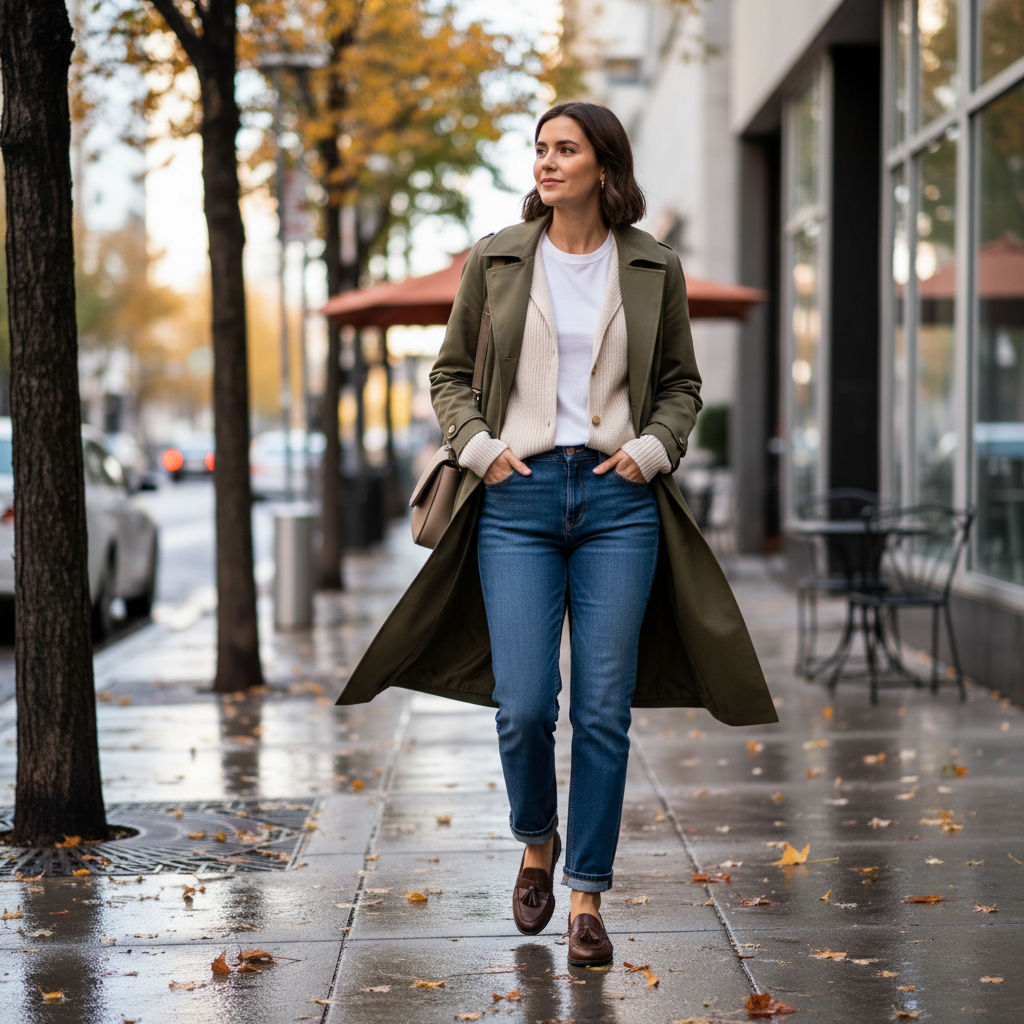
There’s also a realism problem, most of us can’t change outfits mid-day, and many workplaces keep AC blasting even when it’s warm outside. So your outfit needs range, not perfection.
Key idea: aim for two easy “escape hatches”, one layer you can remove, and one layer that blocks wind or light rain.
Quick self-check: what kind of in-between weather are you dressing for?
Before you copy an outfit idea, it helps to label your most common situation. You’ll shop better and repeat outfits more confidently.
- Big temperature swing day: cold morning, warm afternoon, cool evening, you need removable layers.
- Windy but not cold: you need structure and a windproof outer layer more than warmth.
- Rain risk: water-resistant outerwear and shoes matter more than another sweater.
- Indoor cold, outdoor mild: prioritize breathable base layers plus an office-friendly topper.
- Travel/commute heavy: comfort and packability win, wrinkly fussy pieces lose.
If you’re not sure, check your weather app’s “hourly” view, that’s usually more useful than the daily high and low for transitional season fashion planning.
The transitional capsule: 12 pieces that do most of the work
You don’t need a whole new wardrobe. You need a few connectors that play well with what you already own.
- Base layers: fitted tee, long-sleeve tee, lightweight knit, breathable button-down
- Mid layers: cardigan, overshirt/shacket, thin crewneck sweater
- Outer layers: trench, light bomber, denim jacket, packable rain jacket
- Bottoms: straight-leg jeans, tailored trousers, midi skirt with tights option
- Shoes: loafers, sneakers, ankle boots with a not-too-thick sole
Fabric matters more than trend: cotton poplin, merino, ponte, and light twill usually behave well when the day changes, while heavy acrylic knits often feel clammy once you warm up.
Outfit formulas you can repeat (and not get bored)
Instead of memorizing “looks,” keep a few formulas. Swap colors, footwear, and one layer, that’s how outfits stay fresh without constant shopping.
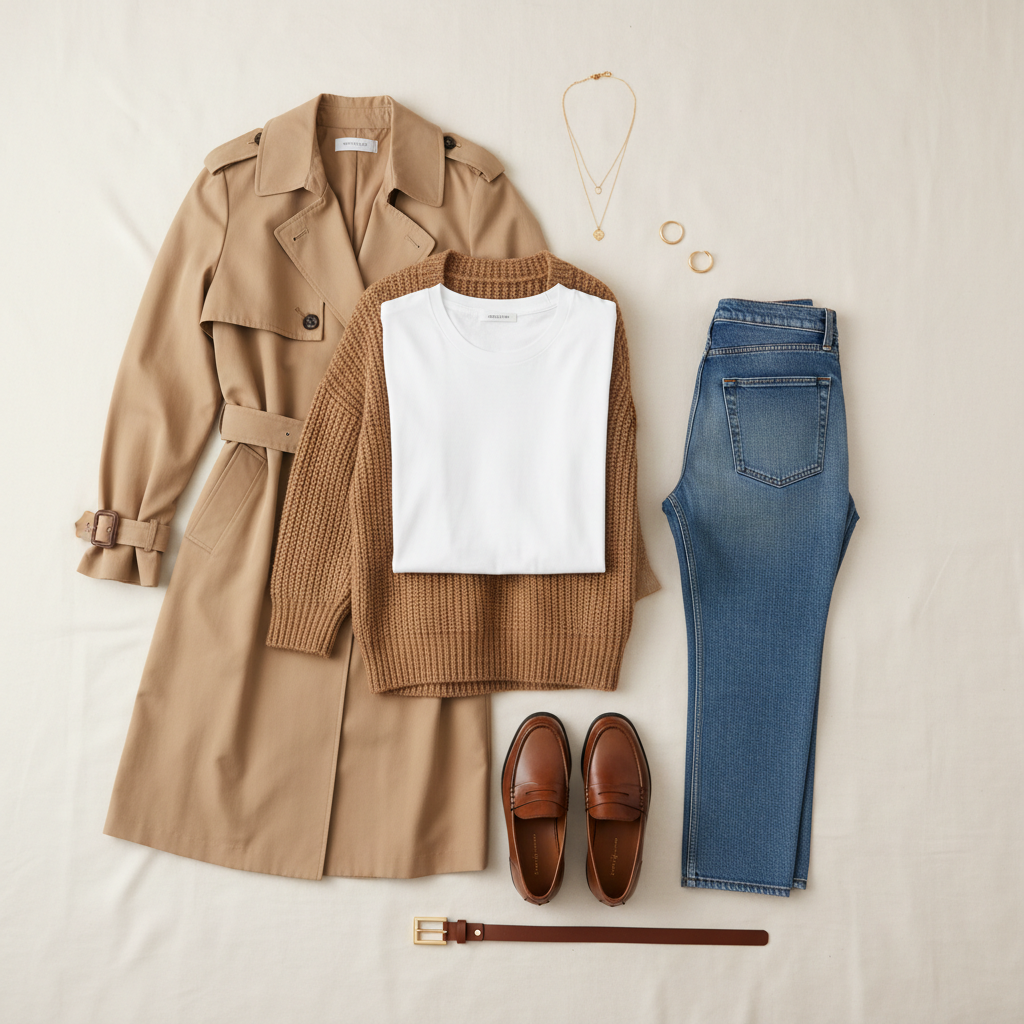
Formula 1: Tee + cardigan + light coat + jeans
This is the dependable one. Wear the cardigan indoors, add the coat for mornings and evenings, and you can peel back to the tee when the sun shows up.
- Make it sharper with loafers or a sleek sneaker.
- Make it more relaxed with a slouchy tote and a baseball cap.
Formula 2: Button-down + knit over shoulders + trousers
This reads polished, but still adjustable. The knit can be worn, draped, or stashed in a bag, and the button-down handles temperature shifts without looking “sporty.”
- Try a crisp white or light blue shirt, it layers under almost everything.
- If you run warm, choose a lighter weave and skip the undershirt.
Formula 3: Tank + blazer + straight jeans (with a weather swap)
For days that look warm but feel unpredictable, a blazer adds structure without bulk. If rain is likely, swap the blazer for a short rain jacket and keep the tank-to-jeans base.
Formula 4: Midi skirt + tee + denim jacket + sneakers
This handles spring and early fall well. If you hate being cold, add sheer tights and switch to ankle boots, the silhouette stays similar.
Color and texture tricks that make layering look intentional
A lot of transitional outfits fail not because of warmth, but because the layers look accidental. Two small tweaks usually fix it.
- Repeat a color twice: e.g., tan coat and tan belt, or black shoes and black bag.
- Mix one smooth + one textured fabric: denim with knit, poplin with suede, jersey with twill.
- Keep one layer “quiet”: if the jacket is patterned, make the base simple.
- Use a scarf strategically: it’s warmth when you need it, and a styling tool when you don’t.
When you’re building transitional season fashion outfits, neutral foundations usually give you more repeats, then you can add one seasonal color as the “signal” that it’s spring or fall.
Shopping priorities: what to buy first (and what to skip)
If your closet feels close, you probably need one missing bridge piece, not a whole haul. Here’s a quick way to decide.
| Problem you keep having | Buy this first | Why it helps |
|---|---|---|
| Cold commute, warm midday | Light trench or unlined coat | Easy on/off, looks polished over basics |
| Wind makes everything feel colder | Wind-resistant jacket (bomber, field jacket) | Blocks wind without needing heavy insulation |
| Random showers ruin outfits | Packable rain jacket + water-friendly shoes | Solves the real problem, not just styling |
| Office AC feels freezing | Cardigan or ponte blazer | Comfort indoors, still presentable on calls |
| Layers look bulky | Thin merino or fitted long-sleeve base | Warmth without visual weight |
What I’d usually skip early on: ultra-trendy outerwear that only works for a narrow temperature band, it looks fun on day one and then sits there because it’s never quite right.
Practical styling steps for real mornings (not fantasy mornings)
If you want an easy routine, treat it like a small system. This is what tends to work in many closets.
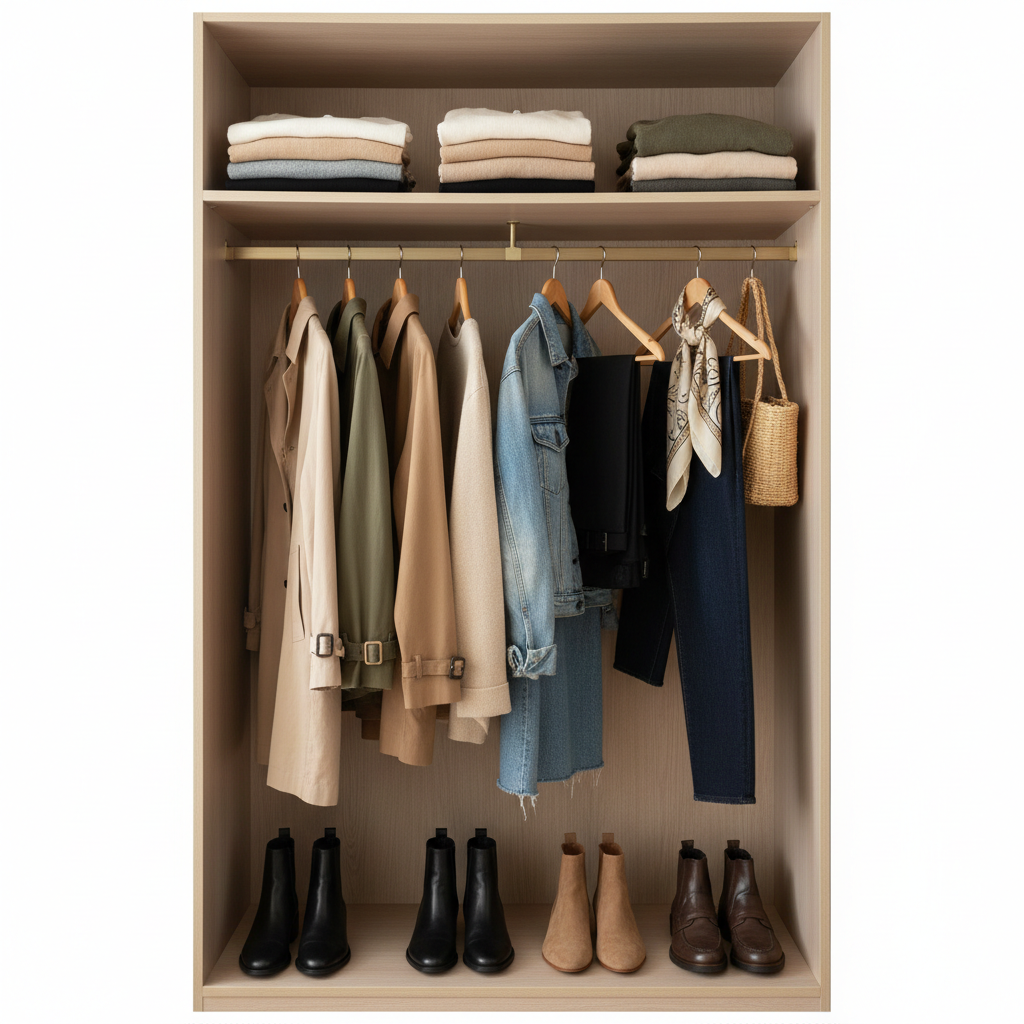
- Start with a base you’d wear indoors: tee, button-down, light knit, something you won’t regret at 1 p.m.
- Add one “comfort layer”: cardigan, overshirt, thin sweater, this is for indoor cold or morning chill.
- Add one “weather layer”: trench, rain shell, wind jacket, this handles commute conditions.
- Pick shoes for the worst surface: if rain is possible, choose footwear that won’t be destroyed by puddles.
- Build in a carry plan: if you’ll remove a layer, bring a tote or backpack that can hold it.
According to the National Weather Service, forecasts can change quickly with passing fronts and local conditions, so planning for variability, not a single temperature number, is usually the safer bet for comfort.
Common mistakes that quietly ruin transitional outfits
These are the small choices that make you feel “off” all day, even when the clothes are technically cute.
- Too many warm layers at once: you want one removable piece, not three trapped under a coat.
- Ignoring wind and humidity: 55°F with wind can feel colder than a calm 45°F, your outer layer should match that reality.
- Choosing the wrong sock game: no-show socks with boots, or thick socks with tight loafers, both get uncomfortable fast.
- Carrying a heavy coat “just in case”: better to choose a smarter light layer and add a scarf if you run cold.
- Buying duplicates of basics: in transitional season fashion, the difference-maker is outerwear and mid-layers, not your tenth white tee.
Conclusion: a smarter way to dress for in-between days
Transitional season fashion works when you stop chasing a single perfect outfit and start building range, a breathable base, one comfort layer, and one weather layer cover most of the awkward days people complain about.
If you want one action to take today, pick two outfit formulas from above and pre-build them in your closet so tomorrow morning feels automatic, then note what missing piece would make both outfits easier, that’s your next purchase.
FAQ
How do I dress for 45°F in the morning and 70°F in the afternoon?
Use a light base you can live in at 70°F, then add a removable mid-layer and a light coat for the morning. The trick is avoiding heavy knits that feel sticky later.
What are the best fabrics for transitional weather?
Many people do well with cotton, merino wool, light twill, and ponte because they breathe and layer cleanly. Fabric preference can vary by sensitivity to heat and texture.
How can I make layers look less bulky?
Keep inner layers slimmer and outer layers slightly roomier, and choose thinner insulating fabrics like merino. Also, limit yourself to one “puffy” piece at a time.
What shoes work for spring and fall when it might rain?
Water-resistant ankle boots, leather sneakers you don’t baby, and loafers with a sturdier sole usually handle light showers better. For frequent rain, a true rain shoe is less stressful.
How do I dress for a cold office without overheating outside?
Wear a breathable base and bring an office layer like a cardigan or ponte blazer, then keep your outdoor layer lighter. That way you adjust for AC without turning into a furnace outside.
Do I need a whole capsule wardrobe for transitional season fashion?
Not necessarily. If you already have basics you like, you may only need one bridge outer layer and one reliable mid-layer to unlock more outfits.
How many layers are “too many” for transitional days?
If you can’t comfortably remove and carry at least one layer, it’s usually too many. Comfort matters, and overheating can be distracting, especially during commutes.
If you’re trying to simplify transitional season fashion without buying a ton, start by listing your top three “annoying weather” moments and build one go-to formula for each, it’s a calmer way to shop and a quicker way to feel put together.