
The best concealer for dark circles in 2026 usually isn’t the one with the most hype, it’s the one that matches your undertone, corrects your specific shadow (blue, purple, brown), and sits comfortably on thin under-eye skin.
If you’ve tried “full coverage” options that still look gray, crease by lunch, or make fine lines louder, you’re not doing anything wrong. Under-eyes are tricky because the skin is thinner, oil and tears move product, and lighting changes how darkness reads.
This guide helps you diagnose what kind of dark circles you have, choose the right formula and shade, and apply it in a way that looks like skin. I’ll also flag common “TikTok fixes” that work on camera but often fail in real life.
What causes dark circles (and why concealer sometimes fails)
Most people think dark circles are one issue. In practice, there are a few patterns, and each one needs a different approach.
- Blue/purple circles: often tied to thin skin and visible blood vessels. Heavy beige concealer can turn this ashy.
- Brown/gray circles: often hyperpigmentation. Color correction may be lighter, and shade match matters more.
- Shadowing from hollowness: a tear trough casts a shadow. More product can make the dip look deeper.
- Redness + darkness combo: allergies, irritation, watery eyes. You may need a more flexible, hydrating base.
According to the American Academy of Dermatology Association, under-eye darkening can relate to genetics, rubbing from allergies, and changes in skin thickness with age, so makeup can help visually but won’t “treat” the root cause.
Quick self-check: which “dark circle type” are you?
Do this in daylight near a window, no overhead bathroom lighting.
- Pinch test: gently pinch under-eye skin. If the darkness improves, vessels and thin skin likely play a role.
- Stretch test: lightly pull skin outward. If it lightens, it’s often shadowing/hollowness.
- Color read: blue/purple suggests vascular; brown suggests pigmentation; gray can be a mix or a shade mismatch.
- Texture check: if concealer cracks or gathers fast, you likely need more hydration and less powder, not more coverage.
One honest takeaway: if you’re mainly fighting a shadow, the best concealer for dark circles is usually a thin, brightening formula, not the thickest one on the shelf.
2026 buying guide: what to look for in a concealer for under-eyes
Forget the marketing categories for a second and focus on how the product behaves on fragile skin.
Coverage vs. flexibility
- Medium coverage with buildability tends to look more realistic than instant full coverage, especially up close.
- Look for formulas described as serum, radiant, hydrating, or stretchy if you crease easily.
Finish: radiant beats flat, most of the time
- Soft radiant/satin disguises darkness and texture.
- Very matte concealers can emphasize lines unless your under-eye is smooth and well-prepped.
Shade strategy (this is where most people lose)
- Match first, brighten second: pick one shade that truly matches your skin, then (optionally) a half-shade brighter for the inner corner only.
- If you go too light, you can create a gray cast that reads like tiredness, not brightness.
Ingredient callouts (keep it practical)
Ingredients won’t “erase” dark circles, but they can help comfort and wear.
- Humectants (like glycerin or hyaluronic acid) for less cracking.
- Emollients (like squalane) for slip, useful if you blend with fingers.
- Fragrance-free is often safer if your eyes water or you’re sensitive.
If you react easily, patch testing is worth your time, and if you have persistent irritation or swelling, it’s reasonable to ask a dermatologist or eye-care professional.
Concealer + corrector pairing: when you actually need both
A lot of people buy three concealers when they really needed a tiny dab of corrector.
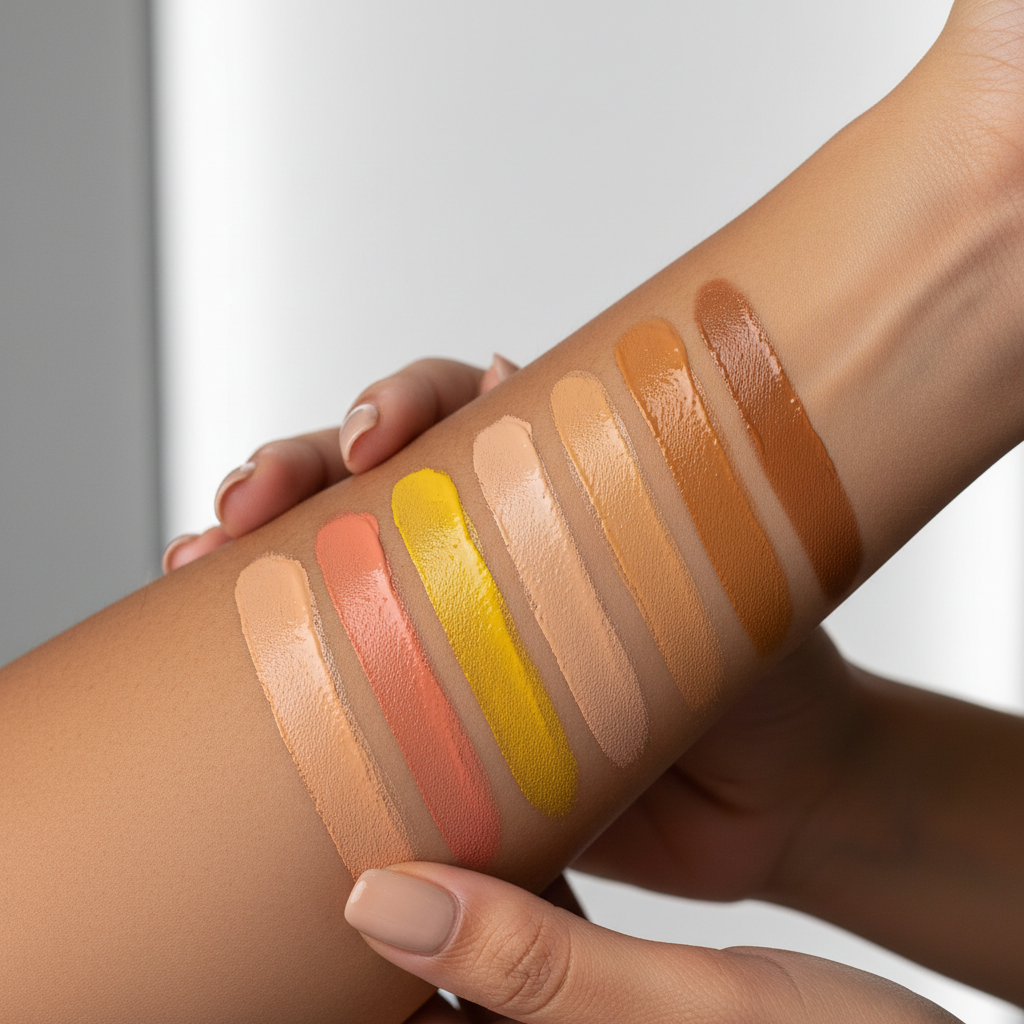
- Blue/purple circles: try a peach/salmon corrector under your matching concealer.
- Deep skin tones with purple/blue: a deeper orange/red corrector often works better than pale peach.
- Brown pigmentation: you may do better with a skin-matching concealer and minimal correcting, since over-correcting can look muddy.
Rule that saves product: correct in the darkest pocket only, usually inner corner and along the trough, not across the whole under-eye.
Comparison table: choose by your under-eye situation
Use this as a buying filter when you’re standing in-store or scrolling reviews.
| What you see | Likely issue | Look for | Avoid |
|---|---|---|---|
| Blue/purple tone | Vascular show-through | Peach/salmon corrector + medium, radiant concealer | Too-light concealer, heavy matte finishes |
| Brown/gray tone | Hyperpigmentation | True shade match, buildable coverage, natural finish | Over-correcting with bright orange |
| Dark “shadow” line | Hollowness/tear trough | Thin, brightening formula; precise placement | Thick layers that settle into the trough |
| Creasing by midday | Product too dry or too much | Hydrating concealer, minimal powder, setting spray | Baking, heavy powder, thick full-coverage |
How to apply concealer for dark circles so it doesn’t crease
This is the part most people rush, then blame the product. A few small choices change the finish a lot.
Step-by-step (works for most skin types)
- Prep lightly: a small amount of eye cream, wait a minute, blot excess so it doesn’t slip.
- Spot-correct only where it’s darkest, keep edges clean.
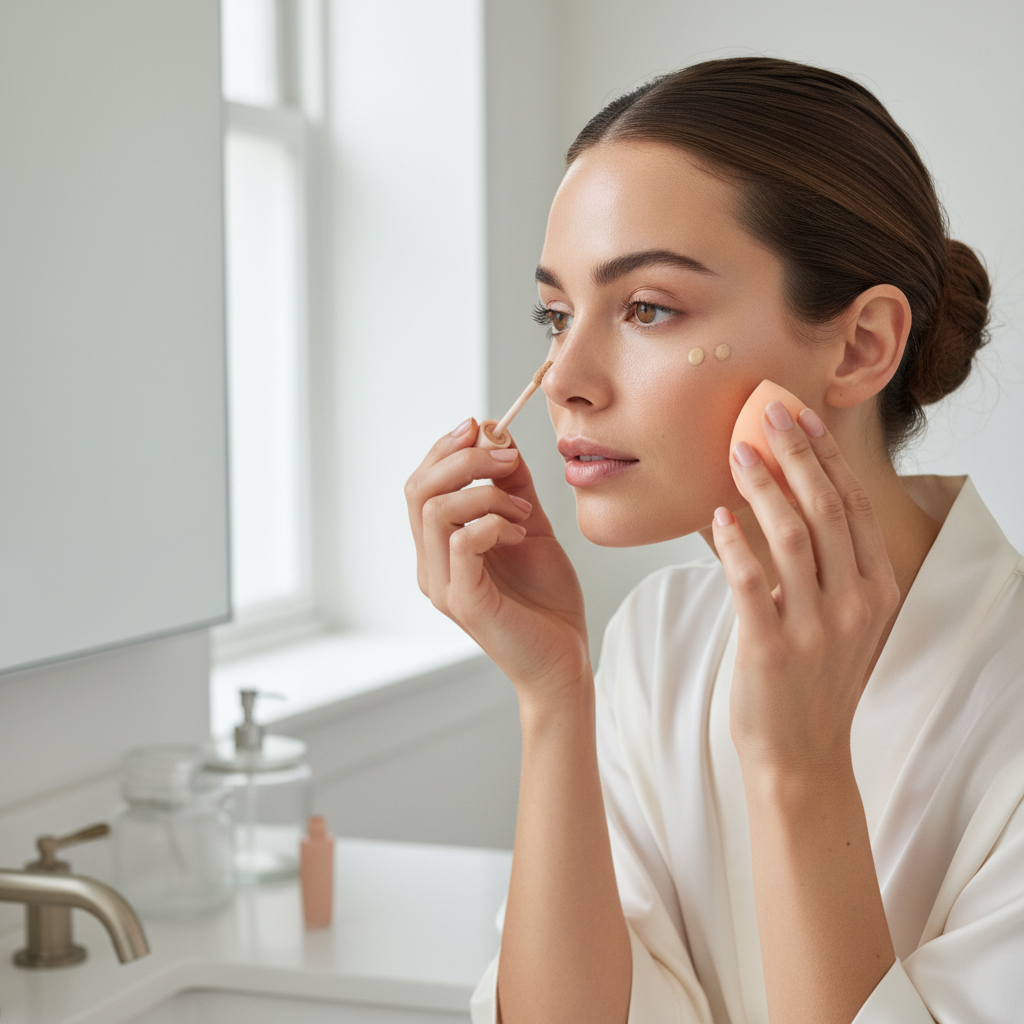
- Conceal with less than you think: 1–2 tiny dots, then tap outward.
- Blend direction: keep coverage near the inner corner and trough, sheer out toward the cheek.
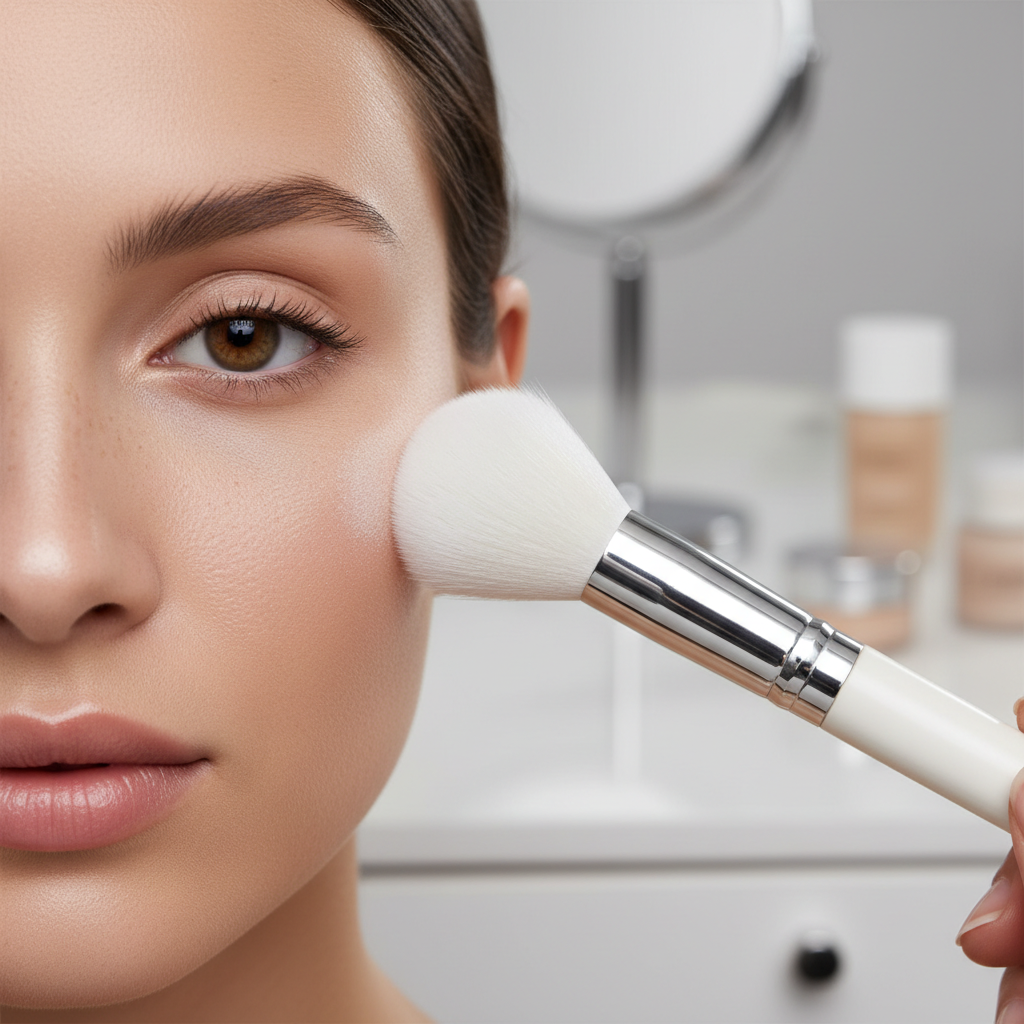
- Set strategically: a whisper of finely-milled powder on the crease zone only.
Key point: if you can see texture getting worse while you apply, pause and remove some product. More blending won’t fix “too much.”
If you wear sunscreen or heavy foundation
- Try concealer before foundation if your base tends to lift it.
- If pilling happens, it’s often product layering, let skincare set longer and use thinner amounts.
Mistakes that make dark circles look worse (even with a great product)
- Going too light: brightening is not the same as whitening.
- Dragging concealer too low: it can create a “reverse panda” effect in daylight.
- Baking under the eyes: looks smooth on camera, often looks dry and lined in person.
- Ignoring undertone: wrong undertone is why “the coverage is there” but the darkness still shows.
- Powdering too soon: give concealer 20–30 seconds to settle, then tap out creases, then set.
If your eyes water a lot, a long-wear formula can help, but if watering is frequent, it may be allergy-related and worth discussing with a clinician.
Wrap-up: choosing your “best” in 2026
The best concealer for dark circles is the one that matches your skin, addresses the specific tone you’re correcting, and stays comfortable for hours without turning dry or gray. If you take only two actions, make them these: identify your dark circle type, then switch to minimal, precise placement instead of layering.
If you’re shopping this week, bring daylight into the decision, test wear for a few hours when possible, and prioritize a finish that looks like skin, not paint.
FAQ
What undertone concealer is best for dark circles?
It depends on the darkness color: peach/salmon helps cancel blue or purple, while true skin-match shades work better for brown pigmentation. When in doubt, match your skin first, then add targeted correction.
Why does my concealer look gray under my eyes?
Most often it’s too light or the undertone is off, so it “brightens” by washing out rather than neutralizing. A small amount of corrector under a matching concealer usually fixes the gray cast.
Is full coverage concealer better for dark circles?
Not automatically. Thick full coverage can crease and highlight texture, which draws attention back to the under-eye. Many people get a smoother result with medium coverage that builds only where needed.
How do I stop concealer from creasing under my eyes?
Use less product, let skincare absorb, tap out creases before setting, then set only the crease zone with a tiny amount of fine powder. If you still crease, a more flexible, hydrating formula often behaves better.
Do I need color corrector every day?
No. If your circles are mild or mostly shadow-based, a brightening concealer alone may look more natural. Corrector earns its spot when you have strong blue/purple tones that keep showing through.
What’s the best application tool for under-eye concealer?
Fingers warm product and can look skinlike, a small damp sponge sheers and smooths, and a tiny brush places coverage precisely. The “best” tool is the one that helps you use less product and keep placement tight.
Can concealer fix tear trough hollowness?
Concealer can reduce the look of a shadow, but it can’t change the actual contour. If hollowness is the main issue, thin brightening formulas and careful placement help, and longer-term options are something to discuss with a qualified professional.
If you’re trying to build a simple under-eye routine, it can help to pick a matching concealer plus one targeted corrector shade, then dial in placement before buying more products, that approach is usually cheaper and less frustrating than chasing every “viral” launch.