
Men hooded sweatshirt basic sounds simple, but buying one that fits right, holds shape, and looks sharp after a few washes is where most people get annoyed. The “basic” label covers everything from paper-thin fleece to heavyweight, structured hoodies, and that gap shows up fast in daily wear.
It’s worth getting this right because a solid hoodie ends up in heavy rotation: work-from-home days, airport outfits, gym commutes, layering under a jacket, or just an easy weekend uniform. When it works, you stop thinking about it. When it doesn’t, you keep tugging at the hem, fighting pilling, or watching it twist after laundry.

This guide focuses on the practical stuff shoppers actually compare: fabric weight, fit, construction details, and how to choose based on climate and use. I’ll also share a quick checklist, a comparison table, and a few care tips that keep a hoodie looking “new enough” longer.
What “basic” really means (and why it often disappoints)
A “basic” hoodie usually means minimal branding, classic silhouette, and neutral colors, but it doesn’t guarantee quality. Two hoodies can look identical online and wear completely differently in real life.
- Fabric weight varies a lot: lightweight can feel comfy indoors but may drape sloppy and wear out faster, heavyweight tends to look cleaner and hold shape.
- Blend changes behavior: 100% cotton often feels breathable but can shrink and wrinkle, cotton-poly blends usually resist shrinkage and dry faster.
- Construction is the hidden difference: seams, ribbing recovery, drawcord quality, and hood structure decide whether it looks “elevated” or bargain-bin.
- Fit labels aren’t consistent: “regular,” “relaxed,” and “oversized” mean different things by brand, so you have to read measurements.
According to FTC guidance on apparel labeling, brands must disclose fiber content on labels, so you can usually verify what you’re paying for even if the product page feels vague.
Quick self-check: which men hooded sweatshirt basic do you actually need?
Before you pick a color or price point, decide what the hoodie needs to do most days. This saves you from buying a “nice” one that sits in the closet.
- Mostly indoors: prioritize comfort, softer fleece, and lighter weight so you don’t overheat.
- Outdoor layering: look for a structured hood, higher weight, and room in the shoulders for a jacket.
- Travel and errands: choose a midweight blend that resists wrinkles, with pockets that don’t sag.
- Streetwear vibe: oversized cut and heavier fabric often looks intentional, not sloppy.
- Gym commute: you may prefer breathable cotton blends and easy care, plus a zipper if you run warm.
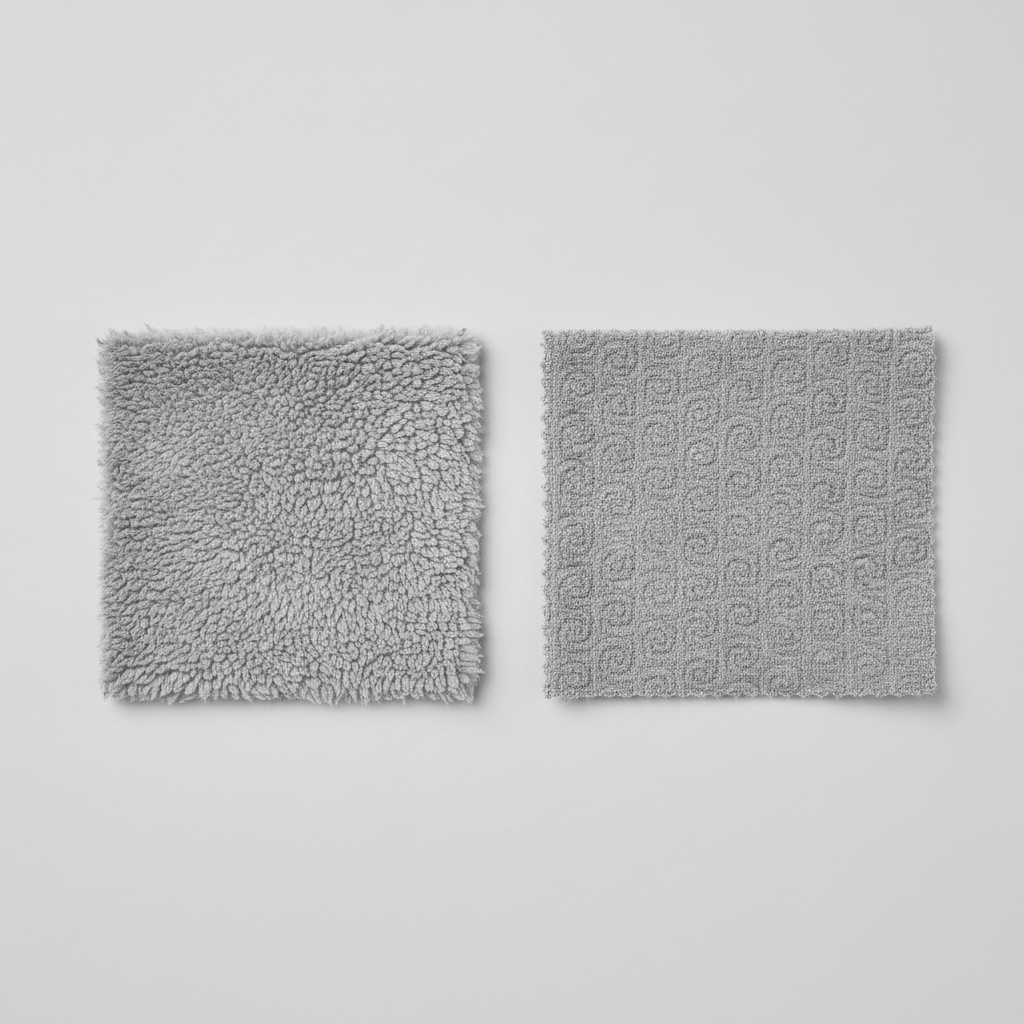
Key point: if you want your men hooded sweatshirt basic to look clean with jeans and a coat, prioritize structure over ultra-softness. If it’s mainly a couch hoodie, softness wins.
Fabric and weight: the easiest way to predict how it will wear
Fabric is where most of the long-term “value” lives. You can’t tailor away pilling or a hoodie that collapses after a month.
Common hoodie fabrics (what they feel like)
- Brushed fleece: cozy and warm, can pill depending on quality and friction (think backpack straps).
- French terry: looped inside, less plush but great for layering and temperature swings.
- Cotton-poly blend: often the easiest care, typically more resistant to shrink and faster drying.
- Organic/recycled blends: can be great, but quality still depends on yarn and knit density, not the claim.
Weight (why “GSM” matters)
If a brand lists GSM (grams per square meter), it helps you compare across products. Many don’t, so you may rely on “lightweight/midweight/heavyweight” plus reviews.
- Lightweight: comfortable indoors and in mild weather, may show wear sooner.
- Midweight: the safest all-around option for most US climates.
- Heavyweight: best structure and warmth, can feel bulky under slim jackets.
Fit and proportions: where most “cheap-looking” hoodies fail
The hoodie can be premium, but if the proportions fight your body shape, it won’t look like the “basic essential” you pictured. Fit problems usually show up in three places: shoulders, torso length, and ribbing.
- Shoulders: a small drop shoulder is fine, but too much drop can make the chest look narrow and sleeves look sloppy.
- Torso length: too short reads cropped, too long bunches under coats; check body length in the size chart.
- Hem and cuffs: ribbing should snap back; weak ribbing gets wavy fast and makes the whole hoodie look tired.
If you’re building a capsule wardrobe, a men hooded sweatshirt basic typically works best in a regular or slightly relaxed fit, not extreme oversized, unless your whole outfit leans streetwear.
Construction details that separate “fine” from “you’ll keep this for years”
These are small details, but they decide whether the hoodie keeps its shape and whether it photographs well.
- Hood structure: a thicker, panelled hood sits better and doesn’t collapse into a lump behind your neck.
- Drawcord and eyelets: sturdy drawcords and clean eyelets look sharper and fray less.
- Stitching: higher stitch density and clean seam finishing usually mean better durability.
- Kangaroo pocket: check for reinforced edges so it doesn’t sag or curl.
- Pre-shrunk or garment-washed: can reduce surprises, but still follow care instructions.
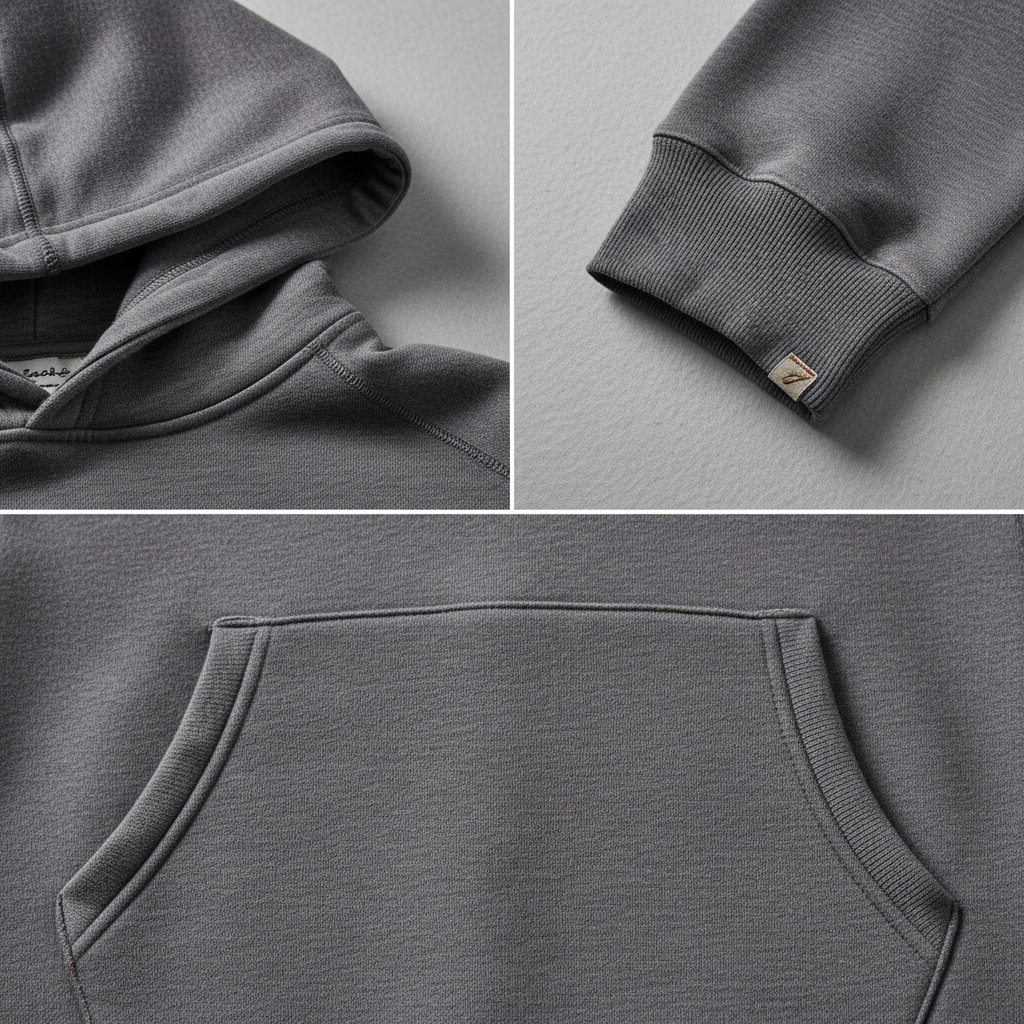
Quick reality check: if the product page hides close-up photos of seams and ribbing, you’re taking a bigger gamble. This doesn’t mean it’s bad, just harder to judge.
Comparison table: choosing the right basic hoodie for your life
Use this as a shortcut when you’re deciding between two similar options.
| Use case | Best fabric feel | Suggested weight | Fit notes | Details to prioritize |
|---|---|---|---|---|
| Everyday errands | Soft fleece or smooth blend | Midweight | Regular/relaxed | Ribbing recovery, clean hood shape |
| Office-casual layering | Structured fleece or dense knit | Mid to heavyweight | Not too oversized | Minimal branding, tidy seams |
| Travel days | Cotton-poly blend | Midweight | Room to move | Wrinkle resistance, durable pocket edges |
| Warm climates | French terry | Light to midweight | Relaxed | Breathability, softer cuffs |
| Streetwear look | Heavy fleece | Heavyweight | Oversized on purpose | Thick hood, strong ribbing |
Practical buying steps (so you don’t rely on vibes)
When you’re shopping online, you can still get pretty close to the “right” pick by being a little methodical.
Step-by-step
- Check fiber content first: decide if you want mostly cotton feel or a blend for easy care.
- Use size charts, not letter sizes: compare chest width, body length, and sleeve length to a hoodie you already like.
- Scan review patterns: focus on repeated fit comments like “shrunk in length” or “cuffs stretched,” ignore one-off extremes.
- Look for detail photos: hood seams, ribbing, and interior texture tell you more than a styled shot.
- Pick a color you’ll repeat: black, heather gray, navy, and oatmeal usually match more outfits than trendy shades.
Key takeaway: a men hooded sweatshirt basic becomes an “essential” when it fits your daily routine, not when it matches a buzzword like heavyweight or premium.
Care tips that keep a basic hoodie looking new longer
Most hoodie damage isn’t dramatic, it’s slow: pilling, fading, shrinking, and stretched cuffs. A few habits help, and they’re not complicated.
- Wash cold, inside out: reduces surface abrasion and color fade for most fabrics.
- Skip high heat drying: heat can increase shrink risk and weaken elastane in ribbing; low heat or air dry tends to be gentler.
- Don’t overload the washer: friction drives pilling, especially with rough items like towels or jeans.
- Use a fabric shaver carefully: it can improve appearance, but go slow to avoid thinning the knit.
According to American Cleaning Institute guidance, care labels are the safest starting point for washing and drying choices, especially when blends or special finishes are involved.
Wrap-up: what to do next
If you want one hoodie that earns its spot, pick your primary use case, choose a fabric and weight that match your climate, then verify fit with measurements. That’s the difference between an impulsive buy and a men hooded sweatshirt basic you keep reaching for.
If you only do two things today, do this: compare measurements to a hoodie you already like, then prioritize ribbing and hood structure if you care about a cleaner look.
FAQ
What weight should a men hooded sweatshirt basic be for everyday wear?
Midweight is usually the safest bet because it layers well and doesn’t feel flimsy. If you run cold or want more structure, go heavier; if you live in a warm area, French terry can feel more comfortable.
Is 100% cotton better than a cotton-poly blend for a basic hoodie?
Not automatically. Cotton often feels more natural and breathable, while blends typically shrink less and dry faster. If laundry convenience matters, blends can be a practical choice.
How do I stop my hoodie cuffs from stretching out?
Look for firm ribbing and avoid high heat drying, which can wear out elastic fibers faster. If cuffs already stretched, gentle reshaping after wash sometimes helps, but results vary.
Why does my hoodie pill even when it’s new?
Pilling often comes from friction and fiber type, especially with softer fleece surfaces. Washing inside out and avoiding rough loads can reduce it, but some fabrics pill more by nature.
How should a basic hoodie fit in the shoulders?
For a clean everyday look, the shoulder seam should sit near your shoulder edge, not halfway down your upper arm. A small drop can look relaxed, but too much drop can read sloppy unless it’s intentional streetwear.
Is a zip hoodie still “basic essential” or should I buy a pullover?
Both can be essentials, they just solve different problems. Zips are great for temperature changes and layering, pullovers often look cleaner and feel a bit warmer across the front.
What colors are most versatile for a basic men’s hoodie?
Black, heather gray, navy, and oatmeal usually pair easily with denim, chinos, and most outerwear. If you already wear lots of black, adding one lighter neutral can make outfits feel less repetitive.
If you’re narrowing down options and want a more sure pick, treat it like a small “uniform” decision: choose one men hooded sweatshirt basic for comfort days and one with more structure for going out, it’s often more satisfying than trying to find a single hoodie that does everything.